Introduction to Mango Sago
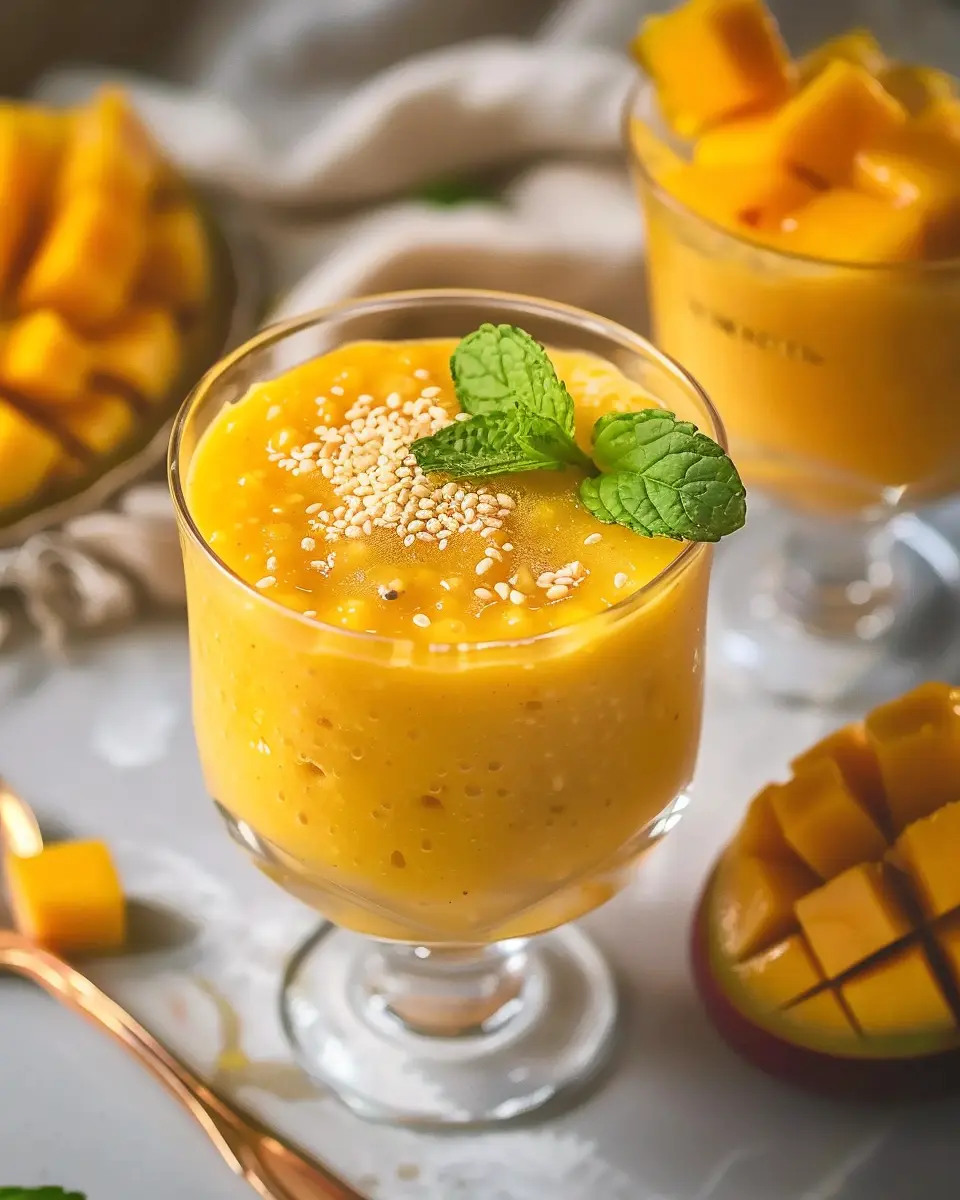
When it comes to refreshing desserts, mango sago stands out as a delightful treat that can brighten even the dullest of days. This tropical dessert combines the sweet, luscious flavors of ripe mangoes with the creamy texture of coconut milk and the delightful chewiness of tapioca pearls. If you’ve never tried making it at home, you’re in for a real treat!
Why Mango Sago is the Perfect Homemade Dessert
So, what makes mango sago the go-to dessert for any occasion? Let’s break it down:
-
Simple Ingredients: At its core, this dessert requires only a handful of ingredients: fresh mangoes, tapioca pearls, coconut milk, and a sweetener like sugar or condensed milk. If you’re searching for a straightforward recipe that doesn’t involve a million steps, this one’s for you!
-
Versatile and Customizable: One of the best things about mango sago is its adaptability. Want to add a little zest? Try incorporating lime or lemon juice for a refreshing twist. You can even adjust the sweetness to match your palate. The options are endless!
-
Perfect for Any Season: While this dessert shines in the summer months, it can be enjoyed year-round. Nothing says “tropical oasis” quite like sipping on a chilled bowl of mango sago, regardless of the temperature outside.
-
Nutritional Benefits: Did you know that mangoes are packed with vitamins A and C? Combining this delicious fruit with coconut milk and tapioca makes for a dessert that’s not just tasty but also brings some nutritional benefits to the table. That’s a win-win!
A Taste of Tradition
Originating from Southeast Asia, mango sago is often enjoyed at both local restaurants and home gatherings. You can experience the joy of learning to make this dish by following our complete recipe, which guides you through each step of the process.
So, gather your friends or family, enjoy a casual afternoon in your kitchen, and whip up this fantastic dessert that’s sure to impress. You’ll find that making mango sago is not just about the final product; it’s about creating lasting memories in the kitchen.
For more dessert inspirations, check out this link for creative ideas that’ll inspire your next culinary adventure!
Ingredients for Mango Sago
When it comes to creating the perfect Mango Sago, having the right ingredients is key. Let’s dive into what you’ll need to whip up this refreshing dessert!
Essential Ingredients
- Mango Puree: Fresh ripe mangoes are ideal, but you can also use canned mango puree if you’re in a pinch. Aim for two cups of this sweet goodness.
- Sago Pearls: Also known as tapioca pearls, these give Mango Sago its delightful texture. You’ll need about half a cup, cooked until they’re transparent.
- Coconut Milk: Adds richness and creaminess. Use one cup of coconut milk—unsweetened works best!
- Sugar: Just a little sugar, about 2-3 tablespoons, to enhance the natural sweetness of the mango.
- Water: Essential for cooking the sago and blending with the coconut milk.
Optional Toppings
To elevate your Mango Sago, consider these delicious extras:
- Chopped Fresh Fruits: Top with diced mango, strawberries, or kiwi for a burst of freshness.
- Nuts: Toasted coconut flakes or almonds can add a lovely crunch.
- Mint Leaves: A sprinkle of fresh mint leaves can add a pop of color and freshness.
For more fascinating recipes and tips on cooking with mangoes, check out Mango.org, where you’ll find a wealth of information on this delicious fruit! Enjoy your mango adventure!
Preparing Mango Sago
Mango Sago is the perfect refreshing dessert that combines the sweetness of ripe mangoes with the unique texture of sago pearls. It’s not just simple to make; it’s also an exotic treat that can transport you straight to a tropical paradise with every delightful spoonful. Here’s how to prepare this incredible dish step by step, so you can impress your friends and family with your culinary skills.
Cook the Sago Pearls
Let’s start with the sago pearls. These tiny gems are what give Mango Sago its signature texture. First, you’ll want to gather the following ingredients:
- 1 cup sago pearls
- 4 cups water
- A pinch of salt (optional)
- Boil the Water: Bring 4 cups of water to a rolling boil in a large pot.
- Add the Sago Pearls: Once the water is boiling, add the sago pearls carefully. Don’t worry if they clump together—this is normal!
- Cook Until Translucent: Allow the sago to cook for about 10-15 minutes, or until they become translucent. Stir occasionally to prevent sticking. If you’d like more detailed cooking times, you can check out the Sago Pearls Cooking Guide.
Cool the Sago
After cooking, it’s time to cool those beautiful sago pearls so they can achieve that perfect chewy texture!
- Drain and Rinse: Using a fine mesh strainer, drain the cooked sago pearls and rinse them under cold water. This helps remove any excess starch and stops the cooking process.
- Soak for a Bit: Toss the sago back in a bowl with clean water and let them soak for about 10-15 minutes. This gives the pearls a chance to firm up, ensuring a pleasant bite in your final dish.
Blend the Mango
Next up, we have the star of the show: the mango. The key to a delicious Mango Sago is using ripe, flavorful mangoes.
- Choose Your Mango: Select ripe, juicy mangoes for maximum sweetness. The Alphonso mango is a personal favorite for its rich flavor.
- Peel and Dice: Peel the mangoes and cut about 2 ripe mangoes into cubes.
- Blend: In a blender, combine the mango cubes with about 1 cup of coconut milk and a tablespoon of sugar or honey (adjust sweetness to your liking). Blend until you achieve a smooth puree; this will be the creamy base of your Mango Sago.
Combine Ingredients for the Perfect Mango Sago
Now that you have your cooked sago and mango puree, it’s time to bring everything together.
- Mix the Pearls and Puree: In a large mixing bowl, combine the drained sago pearls with the mango puree. Stir gently to combine.
- Add Extras: You might want to add some additional coconut milk to achieve your desired creaminess or toss in some diced mango for added texture.
Chill and Serve
The last step is all about patience—and boy, is it worth it!
- Chill: Cover the bowl with plastic wrap or transfer the mixture into individual serving cups. Refrigerate for at least an hour. This allows the flavors to meld and the dessert to reach that refreshing coldness that pairs so well with the heat of the day.
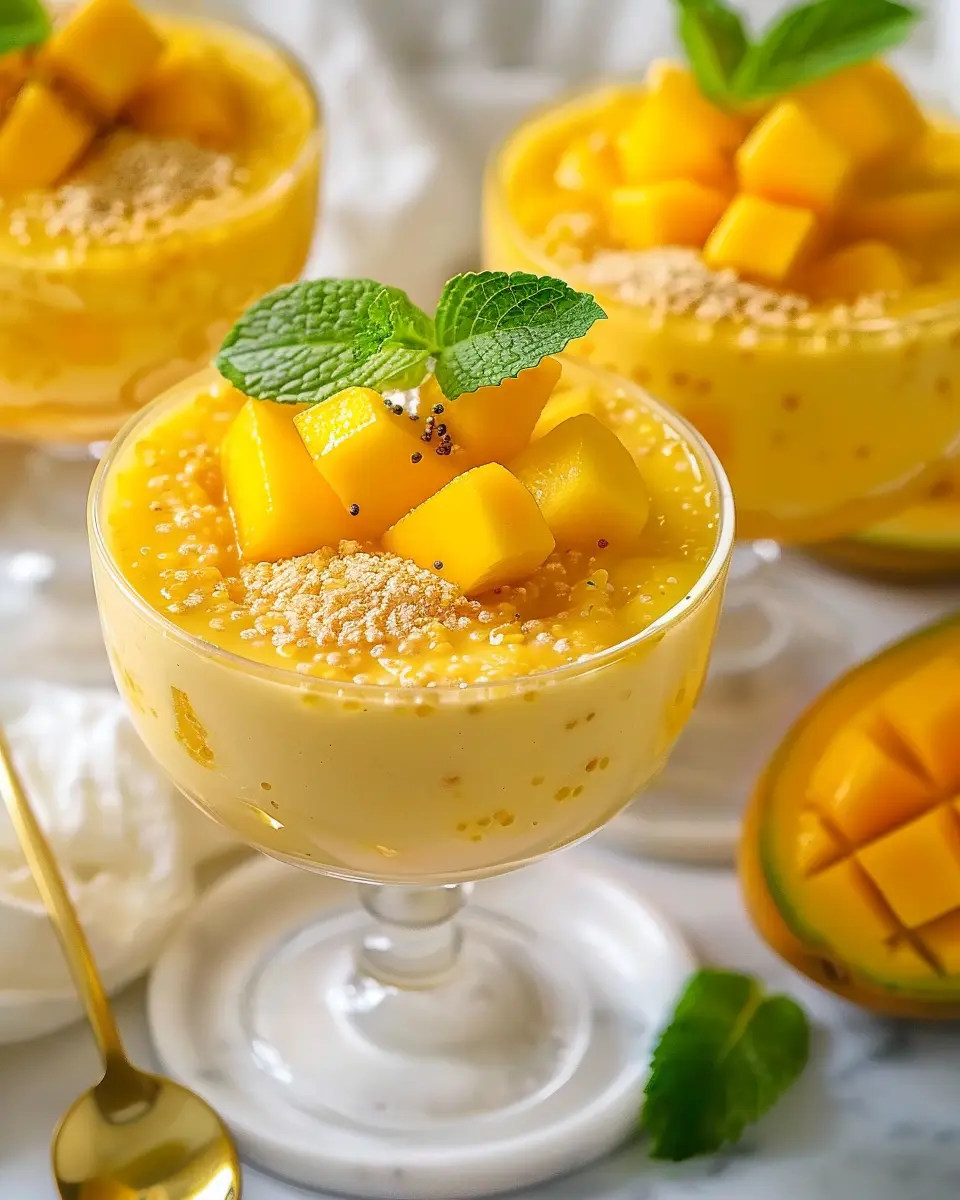
- Serve: Once chilled, give the mixture a gentle stir, then serve in bowls or glasses. Top with additional mango chunks and a sprinkle of toasted coconut flakes for that eye-catching finish!
After taking these steps, you’ll be savoring your homemade Mango Sago in no time. Remember, experimenting with different variations—like incorporating fruits such as lychee or pineapple—can lead to even more delicious outcomes. Happy cooking!
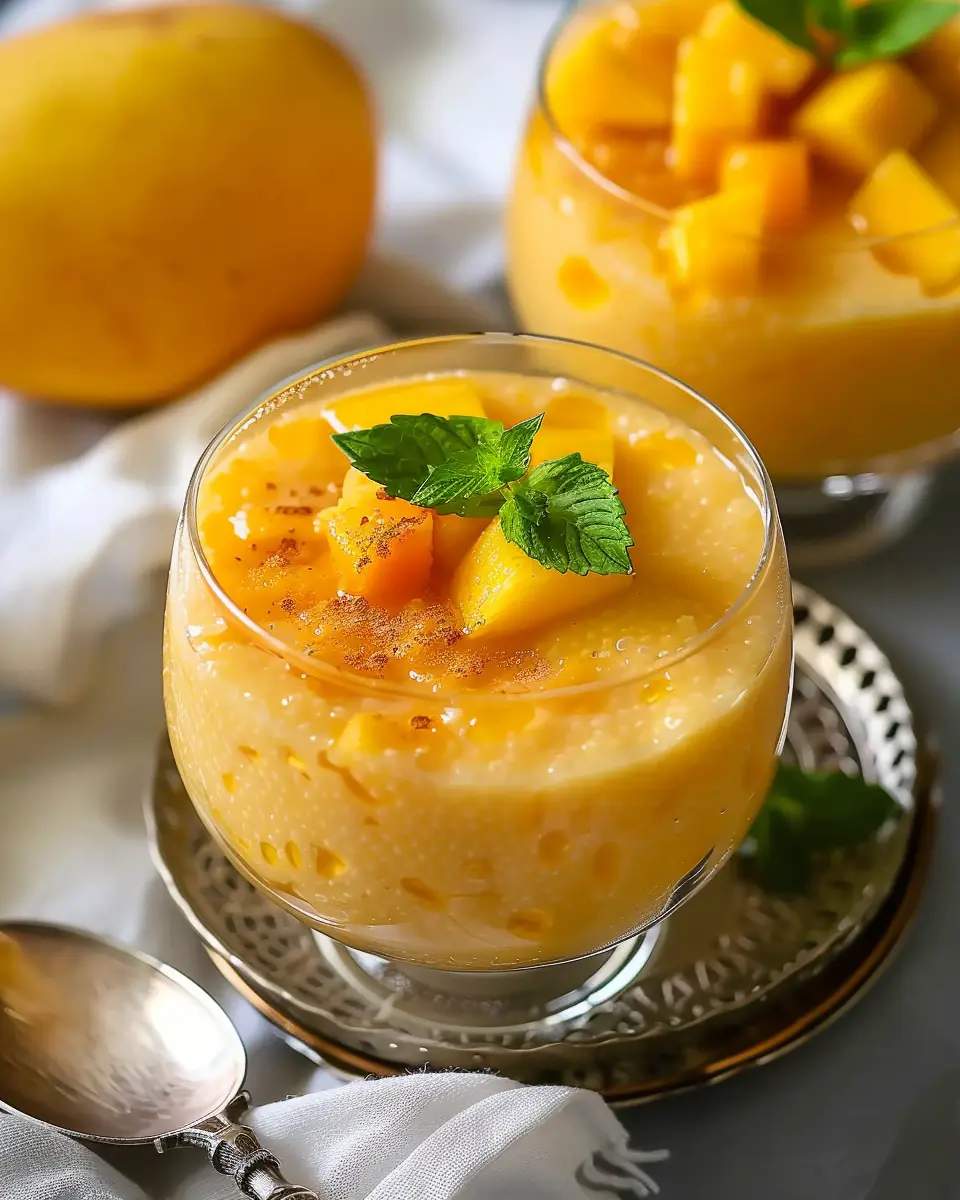
Variations on Mango Sago
Tropical Fruit Variations
While mango sago is a delightful creation on its own, you can easily enhance its flavor and presentation by experimenting with other tropical fruits. Consider adding:
- Passion Fruit: The tartness beautifully offsets the sweetness of mango.
- Pineapple: Fresh, juicy pineapple can add a refreshing crunch and a tropical flair.
- Coconut: Incorporate shredded coconut to deepen the tropical vibes—just imagine the creamy texture!
- Dragon Fruit: Its striking pink color and mild taste create an eye-catching contrast.
Mixing and matching these fruits can not only elevate your mango sago but also make each serving a visual treat. For a more authentic experience, check out this guide to tropical fruits to ignite your creativity.
Vegan Substitutes
If you’re looking to make your mango sago vegan or simply want to swap out some ingredients, there are fantastic alternatives available. For the usual coconut milk, try using:
- Almond Milk: A lighter option that still provides creaminess.
- Cashew Cream: Blend soaked cashews with water for a rich, nutty alternative.
- Oat Milk: With its natural sweetness and creaminess, oat milk is perfect in desserts.
Additionally, if you’re concerned about sugar, consider using natural sweeteners like maple syrup or agave nectar instead of refined sugar. You can also enhance the texture by adding chia seeds, giving it a nutritional boost!
With these variations in mind, you’re ready to take your mango sago to the next level. Don’t be afraid to experiment—after all, the best recipes often come from a little creativity and love in the kitchen!
Cooking Tips and Notes for Mango Sago
Achieving the Perfect Sago Texture
When making mango sago, getting the texture just right is essential for that delightful experience. Start by soaking the sago pearls in water for at least 30 minutes. This softens them, allowing for an even cooking process. Boil the pearls in water until they turn translucent. Remember to stir gently to prevent sticking. Rinse them in cold water post-cooking to stop the cooking process and achieve that perfect chewy texture.
Adjusting Sweetness
Sweetness can vary widely depending on personal preferences and the ripeness of your mangoes. I recommend starting with about a quarter cup of sugar and adjusting as you go. If you prefer a lighter option, consider using honey or agave syrup instead—both work well and add a unique flavor. Don’t forget to taste as you mix; the sweetness of your mango sago should complement, not overpower, the natural fruit flavors.
For more tips on perfecting dessert textures, check out Serious Eats. If you’re curious about ingredient substitutions, Minimalist Baker is a great resource. Happy cooking!
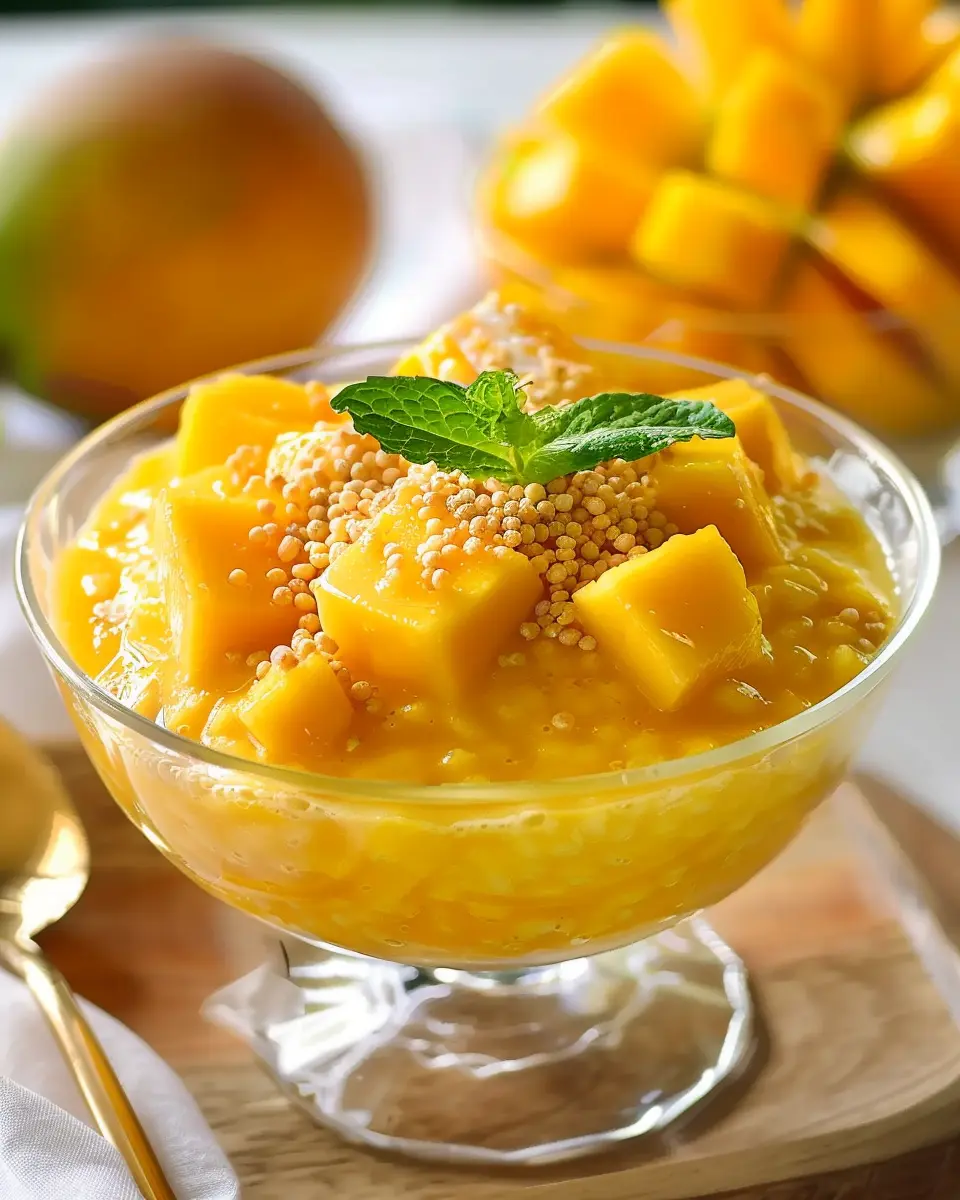
Serving Suggestions for Mango Sago
Individual Cups vs. Shared Bowls
When it comes to serving mango sago, you have two delightful options: individual cups or a shared bowl. Individual cups create a personal touch, perfect for gatherings or whenever you want to enjoy this dessert solo. Plus, they make for stunning presentation—each cup showcasing that vibrant orange hue! On the other hand, a shared bowl invites everyone to dig in and enjoy together, promoting a sense of community around the table. Imagine sharing stories while delighting in the tropical flavors of this dessert!
Garnishing Ideas
Elevate your mango sago with some simple garnishes that add both flair and flavor. Consider:
- Chopped mint: A sprinkle of fresh mint leaves adds a herbal note that complements the sweetness of mango.
- Toasted coconut: This crunchy topping introduces texture and a hint of tropical flair.
- Mango chunks: Fresh pieces not only look appealing but also enhance the mango goodness.
- Popping boba: Add an element of surprise with these fun and chewy spheres.
For inspiration and additional serving styles, check out sites like Serious Eats for creative dessert ideas! How do you like to serve your mango sago?
Time Breakdown for Mango Sago
Preparation Time
Getting started on your mango sago is a breeze! You’ll need about 10 to 15 minutes for preparation. This includes peeling and chopping the ripe mangoes, soaking the sago pearls, and measuring out your ingredients. The fun part is choosing those luscious, sweet mangoes—make it a little ritual!
Cooking Time
The cooking process is remarkably quick. Once your sago is prepped, it should take around 20 minutes to cook until it’s translucent and perfectly chewy. Meanwhile, you can whip up the coconut milk mixture, infusing it with just the right flavor.
Total Time
In total, you’re looking at roughly 30 to 35 minutes to make this delightful mango sago. Perfect for a sweet treat that won’t take all day! If you’re planning to share this with friends, consider checking out this source for tips on presentation and variation. You might even want to double the recipe for a larger gathering!
Remember, enjoying the process is just as important as the final dish!
Nutritional Facts for Mango Sago
When you’re indulging in a delightful bowl of Mango Sago, it’s good to know what you’re enjoying. Let’s break down the nutritional facts so you can appreciate every bite guilt-free!
Calories
A typical serving of Mango Sago contains about 150–200 calories. This makes it a refreshing treat without the heaviness that often accompanies desserts.
Carbohydrates
You can expect roughly 30 grams of carbohydrates per serving, primarily derived from the nutritious mangoes and sago pearls. These carbs provide a quick source of energy, perfect for a midday pick-me-up.
Sugars
With around 15 grams of sugars, the sweet taste primarily comes from natural sources like ripe mangoes. This balance of sweetness and freshness is what makes Mango Sago a fantastic option for those craving dessert with a tropical twist.
For more on the health benefits of mangoes, check out resources like the Harvard T.H. Chan School of Public Health and elevate your understanding of this delicious fruit!
FAQs about Mango Sago
Can I use frozen mangoes?
Absolutely! Using frozen mangoes for mango sago is not only a convenient option but can also enhance the dish’s texture. If you’re short on fresh mangoes, just make sure to thaw them and chop them into smaller chunks before incorporating them into your recipe. Frozen mango can actually provide a creamier texture, especially when mixed with the coconut milk and sago pearls. Just remember that fresh mango often comes with a vibrant flavor that adds an extra edge to your dessert.
How can I store leftover Mango Sago?
Storing leftover mango sago is quite simple. You can keep it in an airtight container in the refrigerator for about 2-3 days. Just make sure to give it a little stir before serving again, as the sago pearls can sometimes settle at the bottom. If you’re worried about losing that creamy texture, you can also add a splash of coconut milk to refresh it. It’s a great make-ahead dessert for dinner parties or a sweet treat for those late-night cravings!
What other fruits pair well with mango sago?
The beauty of mango sago is its versatility. Besides sweet mango, consider adding fresh fruits to elevate the dish—they not only enhance the flavor but also add nutrition. Here are some fruits that blend well:
- Passion fruit: Its tartness contrasts beautifully with the sweetness of mango.
- Pineapple: This tropical fruit adds a delightful zing.
- Kiwi: The unique tang and bright color can make your dessert stand out.
The combination of flavors and colors will not only make your mango sago more delicious but also an eye-catching dish. Looking for more recipe inspiration? Check out this fruit salad tips for a refreshing twist!
Conclusion on Mango Sago
Embracing Homemade Delights
Making mango sago at home isn’t just about satisfying your sweet tooth; it’s an experience that allows you to embrace fresh ingredients and create something truly delightful. Whether you’re serving it at a summer gathering or indulging as a personal treat, this dessert is versatile and can be customized to your taste.
The simple combination of ripe mangoes, sago pearls, and coconut milk offers a tropical escape right in your kitchen. Plus, preparing it yourself often results in better flavors than store-bought versions. So, why not give it a try? Check out resources like Serious Eats for tips on sourcing the best ingredients for your mango sago. You might just find that homemade versions bring more joy than anticipated!
PrintMango Sago Delight: Easy Recipe for a Refreshing Treat

A delightful dessert that combines the tropical flavors of mango with sago pearls for a refreshing treat.
- Prep Time: 15 minutes
- Cook Time: 30 minutes
- Total Time: 45 minutes
- Yield: 4 servings
- Category: Dessert
- Method: No-Bake
- Cuisine: Asian
- Diet: Vegetarian
Ingredients
- 1 cup sago pearls
- 2 ripe mangoes
- 400 ml coconut milk
- 1/4 cup sugar
- 1/4 teaspoon salt
- 2 cups water
Instructions
- Cook sago pearls in boiling water until translucent, then drain and rinse.
- Purée the mangoes in a blender until smooth.
- Combine coconut milk, sugar, and salt in a pot over low heat until sugar is dissolved.
- Mix the sago pearls and mango purée into the coconut milk mixture.
- Chill the mixture in the refrigerator for a few hours before serving.
- Serve in bowls, topped with additional mango chunks if desired.
Notes
- For a creamier texture, use full-fat coconut milk.
- Adjust sweetness according to your taste preference.
Nutrition
- Serving Size: 1 bowl
- Calories: 250
- Sugar: 20g
- Sodium: 100mg
- Fat: 10g
- Saturated Fat: 8g
- Unsaturated Fat: 2g
- Trans Fat: 0g
- Carbohydrates: 38g
- Fiber: 1g
- Protein: 3g
- Cholesterol: 0mg