
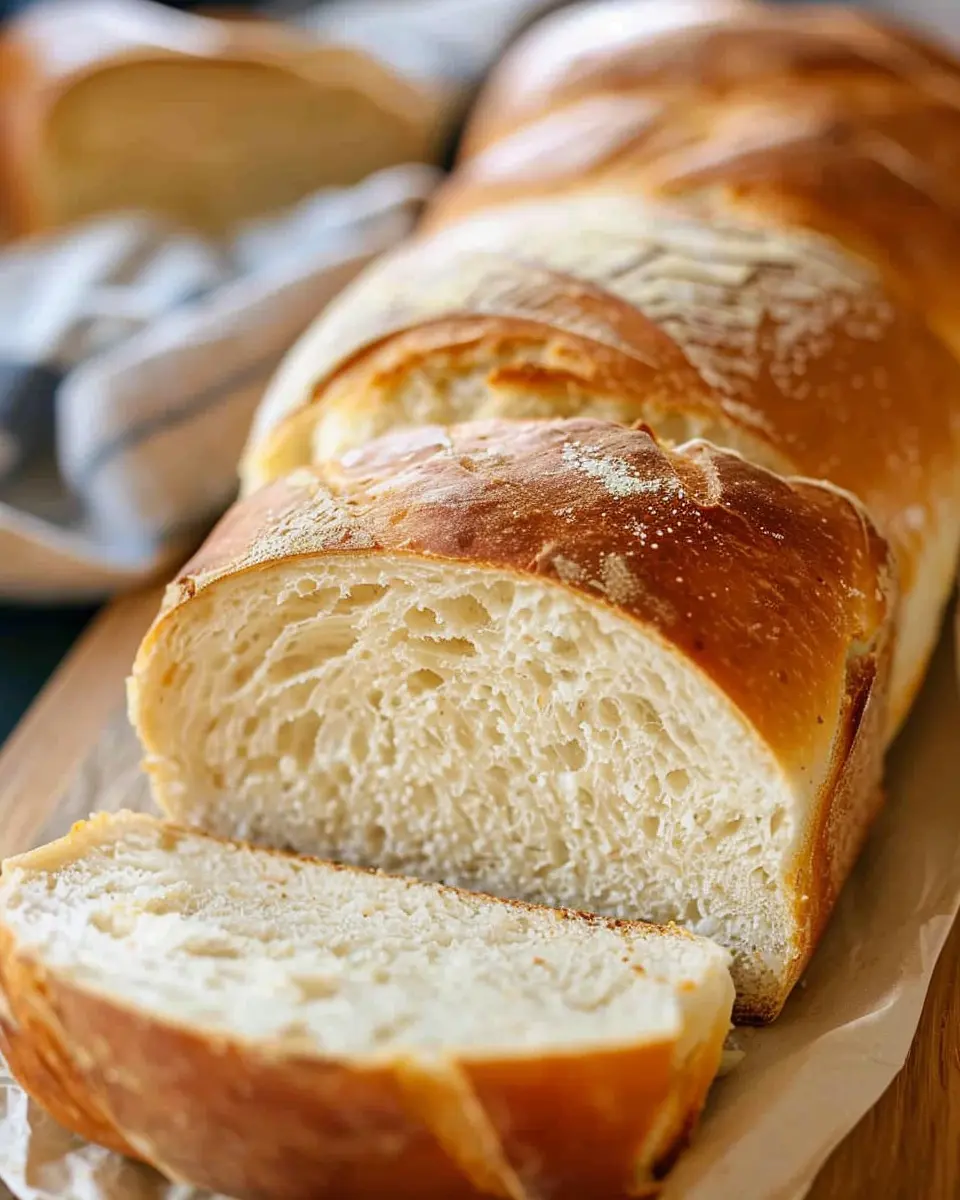
Introduction to Homemade Bread
Why Homemade Bread Can Change Your Life
Imagine walking into your home, greeted by the warm, comforting aroma of freshly baked bread. Homemade bread isn’t just about nourishment; it’s an experience that can transform your cooking routine and elevate your lifestyle. Have you ever wondered how a simple loaf could bring so much joy?
When you embark on the journey of making your own bread, you’re crafting something that’s not only delicious but also packed with nutrients and flavor, far superior to store-bought options. According to a study by the American Heart Association, whole-grain bread can significantly lower the risk of heart disease, making it a smart choice for your health. Plus, learning the science of bread-making can be incredibly fulfilling. There’s something about kneading dough that allows you to unwind after a long day, engaging both your mind and body.
Let’s not forget the satisfaction of creating something from scratch. Every loaf tells a story of patience, experimentation, and creativity. You can experiment with different grains, add herbs or spices, and make it truly your own—your bread can reflect your unique tastes and preferences!
If you’re worried about the time commitment, consider this: many recipes for homemade bread require minimal ingredients and offer a straightforward method. You can start with basic white bread, and as you build your confidence, challenge yourself with more complex varieties like sourdough or whole grains.
And the best part? Homemade bread is an amazing way to bond with friends and family. Together, you can make memories while enjoying the fruits of your labor. Whether it’s a casual brunch or a holiday gathering, your homemade loaves will surely impress.
So, are you ready to take the leap and explore the delightful world of homemade bread? Dust off your apron and let’s get started—it just might change how you think about baking forever! For more inspiration, check out resources like King Arthur Baking for tips and tricks that’ll help you perfect your baking skills.
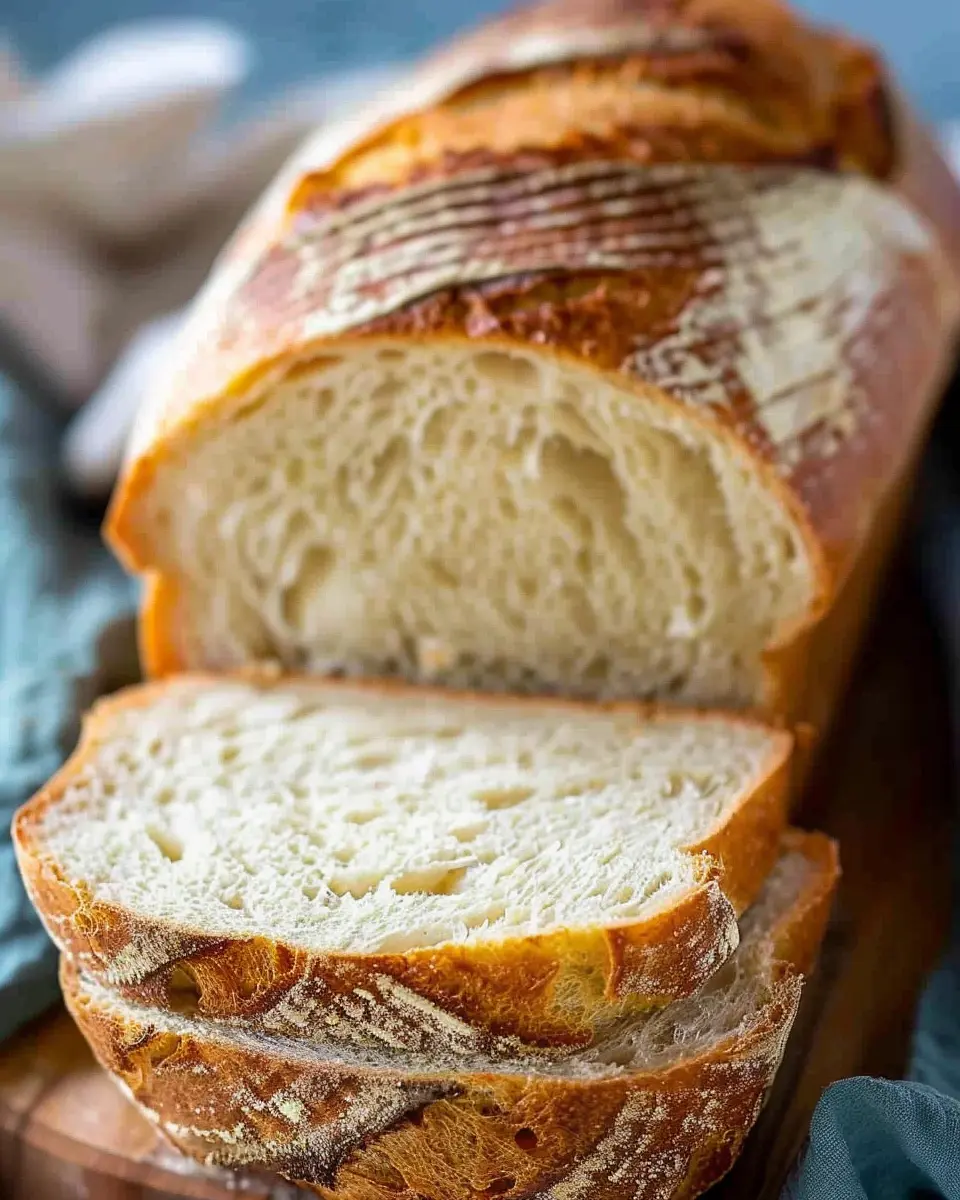
Ingredients for Homemade Bread
Essential ingredients for the perfect loaf
Crafting homemade bread begins with a few key ingredients that come together to create that delightful aroma and texture we all love. Here’s what you’ll need:
- All-purpose flour: This is the backbone of your bread, providing structure and chewiness.
- Yeast: Fresh or active dry yeast helps the bread rise, giving it that fluffy texture.
- Water: Warm water activates the yeast; just be careful not to make it too hot!
- Salt: Essential for flavor and to control yeast growth.
According to the American Society of Baking, the quality of your ingredients significantly impacts the final product, so opt for high-quality flour and fresh yeast.
Optional add-ins for extra flavor
Once you’ve mastered the basics, why not get a little creative? Adding optional ingredients can elevate your homemade bread to a whole new level.
- Herbs and spices: Think garlic, rosemary, or even crushed red pepper for a kick.
- Seeds: Sunflower seeds, sesame seeds, or poppy seeds can add texture and flavor.
- Cheese: A bit of shredded cheese mixed in or on top can create a delicious crust.
Experimenting with these add-ins not only enhances flavor but can also make your bread uniquely yours!
Preparing Homemade Bread
Baking homemade bread is more than just a kitchen task; it’s an experience that engages the senses and fills your home with the delightful scent of fresh bread. Getting started might seem daunting, but once you’ve broken down the steps, you’ll find it surprisingly simple and incredibly rewarding. Let’s walk through the essential steps together, ensuring that you feel confident and excited to bake your own delicious loaves!
Gather Your Ingredients
The first step to baking your homemade bread is gathering all your ingredients. You’ll need:
- 4 cups of all-purpose flour (plus extra for dusting)
- 2 teaspoons of sugar
- 2 teaspoons of salt
- 1 packet (2 ¼ teaspoons) of active dry yeast
- 1 ½ cups of warm water (around 110°F or 43°C)
- 2 tablespoons of olive oil or melted butter for flavor
Make sure your ingredients are fresh, especially your yeast, as this activates the fermentation process essential for a good rise. If you’re in doubt, check out The Kitchn for tips on ingredient selection.
Activate the Yeast
Next, it’s time to activate the yeast. In a small bowl, combine the warm water, sugar, and yeast. Stir gently and allow the mixture to sit for about 5 to 10 minutes until it becomes frothy. This frothiness ensures that your yeast is alive and kicking, ready to work its magic in your dough. If you don’t see bubbles, your yeast may be expired, and it’s best to start again with a fresher packet.
Mix and Combine the Dough
Now that your yeast is ready, it’s time to mix. In a large bowl, combine the flour and salt. Make a well in the center, and gradually pour the yeast mixture along with your olive oil into it. Using a wooden spoon or your hands, mix until it forms a shaggy dough. This is where the fun begins! The dough may look messy, but that’s perfectly normal. Just ensure that all the flour is incorporated.
Knead the Dough to Perfection
With the dough combined, now comes the kneading. Dust your countertop with flour and turn the dough out. Knead it by pressing and folding while rotating it for about 8 to 10 minutes. You want the dough to become smooth and elastic. Proper kneading is crucial; it develops the gluten structure necessary for that satisfying chew in your homemade bread. A good trick? Use the “windowpane test” — stretch a small piece of dough; if it can stretch without tearing, you’re golden.
First Rise: Waiting for That Magic to Happen
Once kneaded, place your dough in a lightly oiled bowl, covering it with a clean kitchen towel or plastic wrap. Set it in a warm place to rise for about 1 to 2 hours, or until it doubles in size. This step is where the yeast does its job, producing carbon dioxide and creating those lovely air pockets that make bread light and fluffy.
Shape the Dough into Loaves
When your dough has risen beautifully, gently punch it down to release the air. Turn it out onto a floured surface and divide it into two pieces. Shape each piece into a loaf by gently stretching and tucking the edges into the center. Place the shaped loaves into greased bread pans, seam side down.
Second Rise: Letting the Dough Rest Again
Cover your shaped loaves again and let them rise for another 30 to 60 minutes. This second rise allows your bread to develop more flavor and texture. While you’re waiting, preheat your oven to 375°F (190°C).
Bake Your Homemade Bread
Once your dough has risen for the second time, it’s time to bake! Place the loaves in the preheated oven and bake for about 30 to 35 minutes until they’re golden brown and sound hollow when tapped on the bottom. Let them cool in the pans for a few minutes before transferring to a wire rack.
Baking homemade bread might take some time, but the joy of slicing into a warm loaf is worth every minute. Plus, think about the delightful sensation of making it from scratch — nothing compares! So roll up your sleeves, and let’s get baking!
For detailed tips on bread storage and additional variations, feel free to check King Arthur Baking. Happy baking!
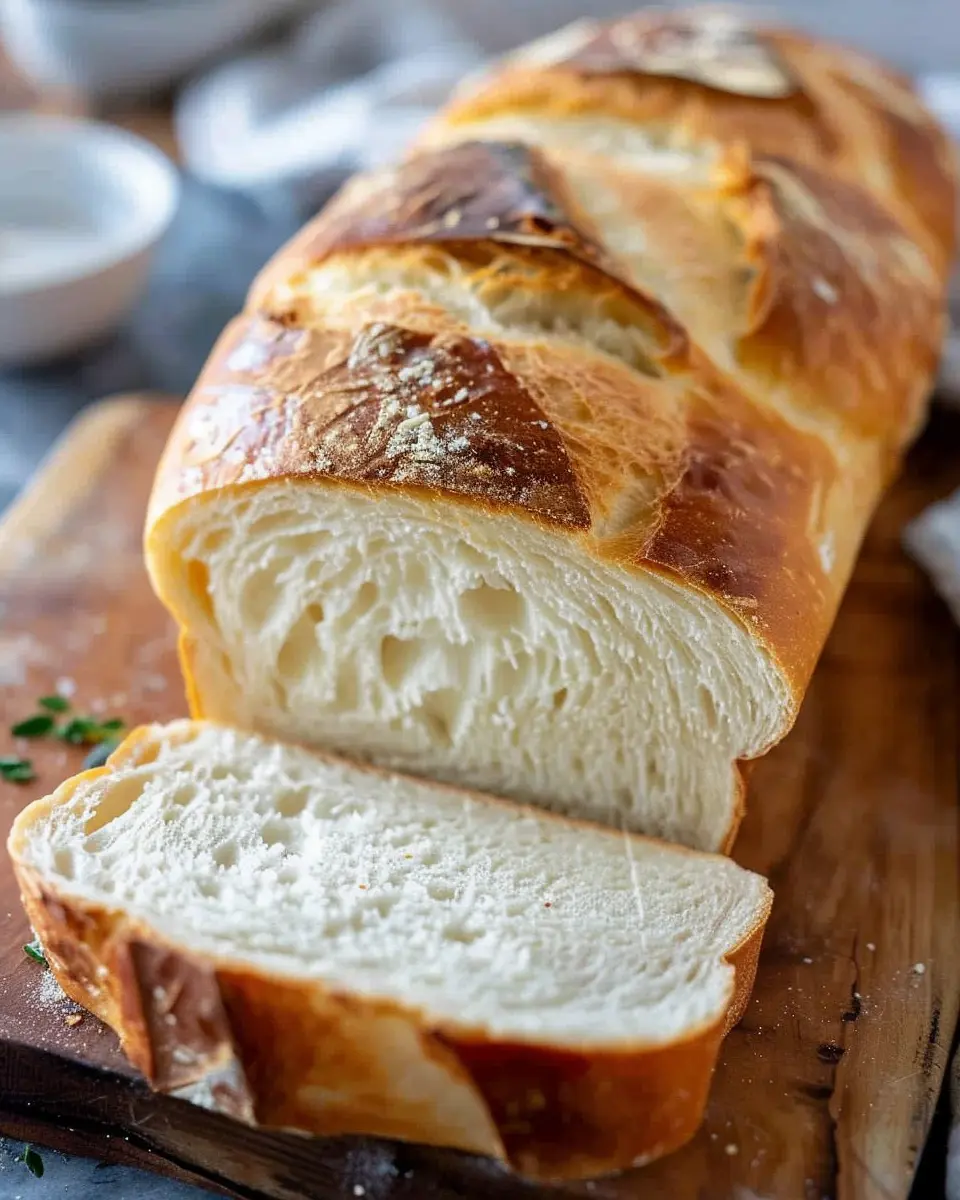
Variations on Homemade Bread
When you think of homemade bread, the possibilities are endless! Here are some delightful variations to elevate your baking game and cater to different tastes and occasions.
Whole Wheat Homemade Bread
For a heartier option, consider making whole wheat homemade bread. This variation packs in nutrients and fiber, making it a healthier choice without sacrificing flavor. To get started, simply substitute half or all of the all-purpose flour with whole wheat flour. This not only enhances the taste but also gives your bread a charming rustic look. Pro tip: Add a tablespoon of honey or agave syrup to help boost the sweetness and moisture of the dough, complementing the nutty flavor of the whole wheat.
Herb-Infused Homemade Bread
If you want to impress your friends or elevate your weekly dinner, herb-infused homemade bread is a flavorful twist! Fresh herbs like rosemary, thyme, or basil can make your kitchen smell incredible while baking. Just chop up your favorite herbs and knead them into your dough. For an extra touch, try adding minced garlic or sun-dried tomatoes. Not only does this create a beautiful artisanal loaf, but it can also pair perfectly with olive oil for dipping or as a side during family meals.
Sweet Options: Cinnamon Raisin Bread
For a delightful twist, why not try cinnamon raisin homemade bread? This sweet treat is perfect for breakfast or as a snack. Start with your basic dough, and before the second rise, fold in a mix of cinnamon, sugar, and raisins. Bake until golden brown, and enjoy the warm, comforting aroma wafting through your home. Spread a little butter or cream cheese on a slice for an indulgent treat.
With these variations, your homemade bread can take on new flavors and styles that suit any occasion. Try out your favorites and let your creativity shine in the kitchen! For more inspiration, check out The Kitchn or King Arthur Baking.
Cooking Tips and Notes for Homemade Bread
Common mistakes to avoid
Making homemade bread can be a joy, but there are pitfalls to watch out for. Ensure your yeast is fresh; expired yeast can lead to dense loaves. Also, don’t rush the proofing process. Allowing the dough to rise until it doubles in size is crucial for flavor and texture. Another common error? Over-kneading! You want to develop the gluten, but too much can make your bread tough. Check out King Arthur Baking for more on yeast and kneading techniques.
How to store your homemade bread
To keep your homemade bread fresh, store it in a paper bag at room temperature for up to three days. For longer storage, consider slicing it and placing in a plastic bag or airtight container in the freezer. Just remember to let it cool completely before bagging to avoid sogginess.
Tips for adjusting for altitude
If you live at a higher altitude, you might need to tweak your bread recipe. Flour tends to be drier, so add a little more water or reduce the amount of flour to ensure a balanced dough. Lowering the baking temperature by about 25°F can also help create a more consistent rise. A good resource is the USDA’s guide on cooking at altitude.
With these tips in mind, you’re ready to tackle your next loaf of homemade bread like a pro!
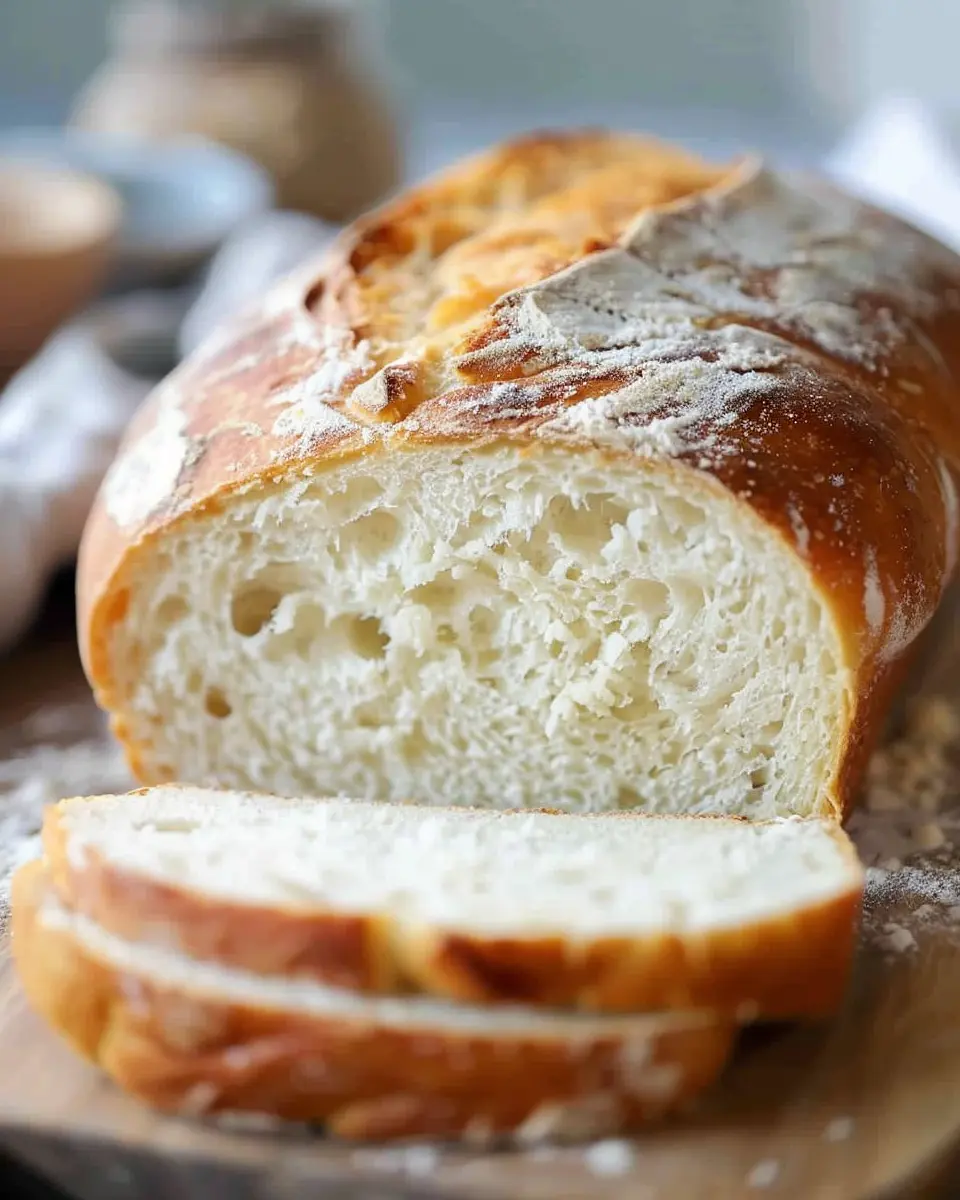
Serving Suggestions for Homemade Bread
Spreading the joy: Toppings and pairings
There’s something remarkably fulfilling about enjoying freshly baked homemade bread. Whether slathered with rich butter or a zesty spread, the options are endless. Here are a few delightful toppings you might consider:
- Herbed Cream Cheese: Mix cream cheese with fresh herbs for a vibrant spread.
- Avocado Smash: Combine mashed avocado with a sprinkle of salt and chili flakes for a nutritious treat.
- Turkey Bacon and Tomato**: Layer crispy turkey bacon and juicy tomatoes for a savory sandwich.
For an even sweeter twist, try pairing your bread with local honey or jam. The sweet contrasts beautifully with the warm, rustic flavors of the bread.
Creative uses for leftover bread
Don’t let your homemade bread go to waste! Here are some clever ways to recycle those leftover slices:
- Croutons: Cube and toast them for a crunchy salad topping.
- French Toast: Transform stale bread into a delightful breakfast with eggs and milk.
- Bread Pudding: A delicious and comforting dessert that’s both creative and economical.
With a little imagination, your homemade bread can continue to shine long after it’s out of the oven! For more tips on bread preservation, check out this informative guide.
Time Breakdown for Homemade Bread
Making homemade bread is not just about the delicious end result; it’s also a rewarding process that teaches patience and precision. Here’s a quick breakdown of the time involved:
Preparation Time
Plan on around 15-20 minutes for the initial prep. This includes measuring out your ingredients, mixing the dough, and getting everything ready for the first rise.
Rising Time
This is where the magic happens! The dough typically rises for about 1 to 1.5 hours. A warm spot in your kitchen can help it along. For great tips on how to achieve the perfect rise, check out the expert advice from King Arthur Baking.
Baking Time
Once the dough has risen, baking usually takes 25-30 minutes. Keep an eye on that golden crust—it’s your cue to pull it from the oven!
Total Time
In total, you’re looking at roughly 2 to 2.5 hours from start to finish. This includes all the rising and baking, making it a perfect weekend project or a fun weekday treat!
With a little planning, you can enjoy the warm comfort of freshly baked bread anytime. Interested in more tips? Explore Breadtopia for great resources!
Nutritional Facts for Homemade Bread
Calories per slice
Homemade bread is not only delicious but also contributes valuable nutrients to your diet. On average, a slice of homemade bread contains about 80-100 calories, depending on the ingredients used. This makes it a great option for sandwiches or as a side to your meals without unnecessary guilt.
Key nutrients
One of the reasons why homemade bread stands out is its nutrient content. Here are some essential components:
-
Fiber: Whole grain flour can provide around 2 grams of fiber per slice, aiding digestion and helping you feel fuller longer. Eating enough fiber is crucial for health; according to the American Heart Association, it can help lower cholesterol levels.
-
Protein: Each slice often includes 3-4 grams of protein, especially if you incorporate ingredients like seeds or nuts.
-
Vitamins and Minerals: Homemade bread typically contains B vitamins and minerals like magnesium and iron, which are vital for energy production.
Baking your own bread allows you to control the quality of ingredients, making it a wholesome choice whether you’re enjoying breakfast or lunch. Plus, the aroma of fresh bread filling your kitchen is nothing short of delightful!
FAQ about Homemade Bread
Why is my bread not rising?
If your homemade bread isn’t rising, there could be a few culprits. First, check the freshness of your yeast; expired yeast can lead to flat loaves. Also, ensure that your water temperature falls between 100°F and 110°F when activating the yeast—too hot or too cold can inhibit the fermentation process. Additionally, insufficient kneading or letting the dough rise in a chilly environment can also sabotage your efforts. For better results, create a warm space for the dough by placing it in an oven with the light on or atop a heating pad.
Can I use whole wheat flour instead of all-purpose flour?
Absolutely! You can substitute whole wheat flour for all-purpose flour in your homemade bread recipes. Just keep in mind that whole wheat flour contains less gluten, which may lead to denser bread. A tip? Try using half whole wheat and half all-purpose flour to enjoy the health benefits without sacrificing texture. You might also want to hydrate the flour a bit longer to allow it to absorb more moisture.
Is homemade bread healthier than store-bought bread?
Generally, yes! Homemade bread allows you to control the ingredients, offering a fresher and less processed option. You can use whole grains, avoid preservatives, and limit added sugars. According to a study by the Whole Grains Council, opting for whole grains can provide additional fiber and nutrients compared to conventional white bread.
How can I make my bread softer?
To achieve that pillowy softness in your homemade bread, consider the following tips:
- Use milk or milk alternatives: This enhances tenderness.
- Add fat: Ingredients like butter, olive oil, or yogurt can result in a softer crumb.
- Knead well: Proper kneading develops gluten, contributing to a fluffier texture.
Don’t hesitate to experiment a bit; baking is as much about enjoying the process as it is about the outcome. For more on perfecting your homemade bread, check out King Arthur Baking’s resources for expert guidance!
Conclusion on Homemade Bread
The rewarding experience of baking your own bread
Baking homemade bread is truly a satisfying journey. The smell of fresh bread wafting through your kitchen not only creates a warm atmosphere but also invites friends and family to gather around. Whether you’re experimenting with simple white loaves or adding seeds and herbs for extra flair, each loaf tells a story of care and creativity.
As you pull that golden crust from the oven, you’ll realize that this hands-on process also fosters a sense of accomplishment. Plus, homemade bread tends to be healthier, ensuring you know exactly what you’re eating. Ready to dive into baking? Your best loaf is just a recipe away! For more tips on refining your baking skills, check out resources like The Bread Lab or King Arthur Baking.
PrintHomemade Bread: Easy Recipes for Heartwarming Comfort Food

Discover the joy of baking with our easy homemade bread recipes, perfect for any occasion.
- Prep Time: 15 minutes
- Cook Time: 30 minutes
- Total Time: 1 hour 45 minutes
- Yield: 1 loaf
- Category: Bread
- Method: Baking
- Cuisine: American
- Diet: Vegetarian
Ingredients
- 3 cups all-purpose flour
- 1 packet instant yeast
- 1 teaspoon salt
- 1 tablespoon sugar
- 1 cup warm water
- 2 tablespoons olive oil
Instructions
- In a large bowl, combine flour, yeast, salt, and sugar.
- Add warm water and olive oil to the dry ingredients.
- Knead the dough on a floured surface for about 10 minutes.
- Let the dough rise in a warm place until it doubles in size, about 1 hour.
- Punch down the dough and shape it into a loaf.
- Place the dough in a greased loaf pan and let it rise for another 30 minutes.
- Bake in a preheated oven at 375°F (190°C) for 25-30 minutes, or until golden brown.
Notes
- For a crustier loaf, place a pan of water in the oven while baking.
- Experiment with different flours for unique flavors.
Nutrition
- Serving Size: 1 slice
- Calories: 120
- Sugar: 1g
- Sodium: 150mg
- Fat: 2g
- Saturated Fat: 0.5g
- Unsaturated Fat: 1.5g
- Trans Fat: 0g
- Carbohydrates: 24g
- Fiber: 1g
- Protein: 3g
- Cholesterol: 0mg