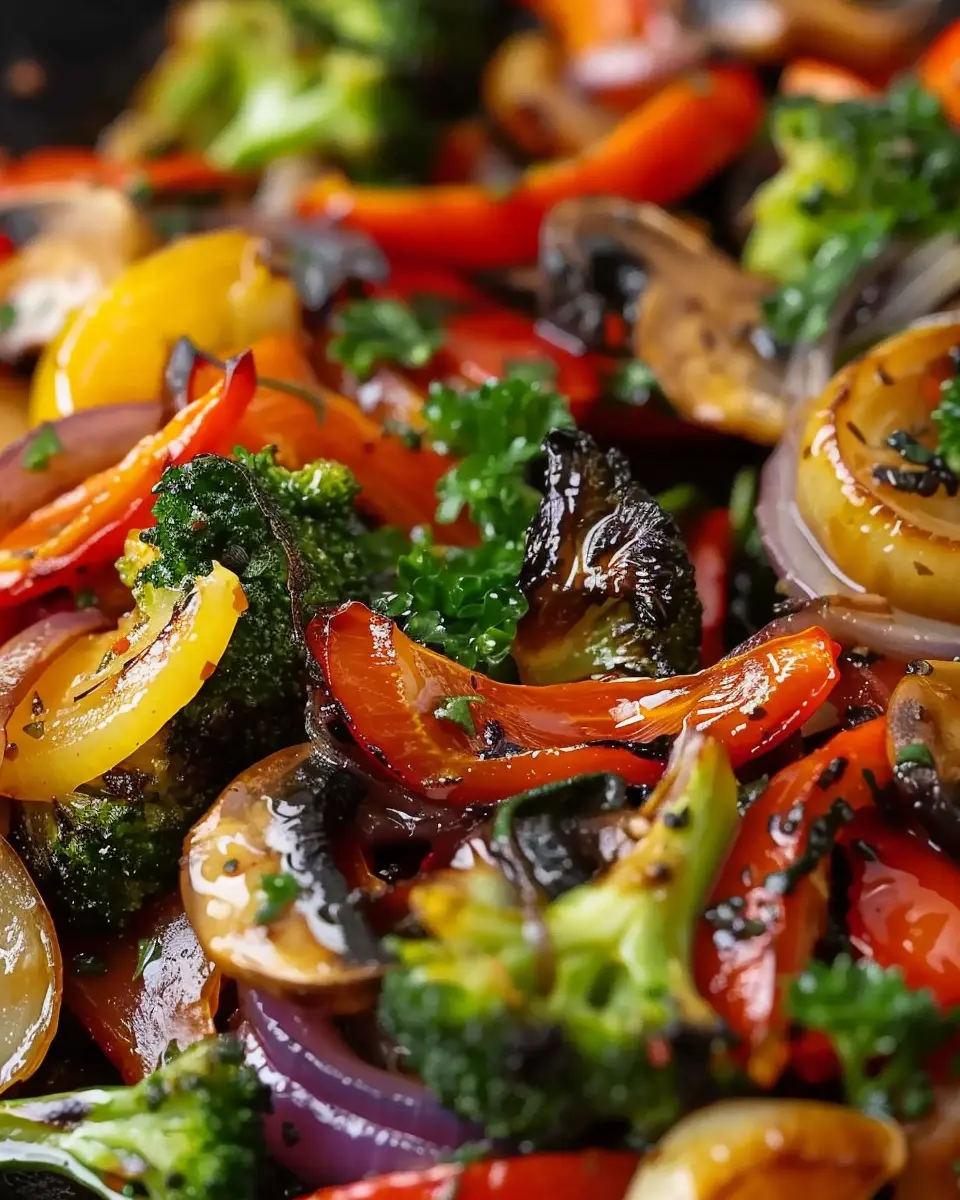
Introduction to Healthy Sautéed Vegetables
Cooking can sometimes feel like a daunting task, especially for young professionals juggling busy schedules. However, healthy sautéed vegetables can be a game-changer for anyone looking to balance taste and nutrition without spending hours in the kitchen. These deliciously vibrant dishes are quick, easy, and packed full of essential nutrients.
Why Sautéed Vegetables Are a Game-Changer for Young Professionals
Imagine coming home after a long day at work, tired, and maybe a little hungry. The last thing you want to do is spend an hour preparing a meal. That’s where sautéing steps into the spotlight. In mere minutes, you can transform a medley of fresh vegetables into a mouthwatering side or main dish.
Sautéing is a cooking method that uses a small amount of oil over medium-high heat, allowing the vegetables to cook quickly while retaining their crisp texture and vibrant colors. Here are a few reasons why this method is particularly advantageous for busy individuals:
-
Speed and Simplicity: You can whip up a tasty dish in 15 minutes or less! Chopping some veggies, heating a pan, and adding your favorite seasonings is all it takes.
-
Nutritional Boost: Vegetables are rich in vitamins, minerals, and fiber, all of which contribute to your health. According to the CDC, only about 1 in 10 adults meet the guidelines for vegetable intake. Sautéing makes it easier to reach your daily goals!
-
Versatility: You can use virtually any vegetable you have on hand, from bell peppers to spinach. Adding different spices or proteins like turkey bacon or chicken ham can take simple sautéed vegetables to a whole new level.
Moreover, sautéing allows for endless creativity. Experimenting with flavors, such as garlic, ginger, or low-sodium soy sauce, can turn a basic vegetable dish into something truly special. You can find inspiration on sites like SPICEography or Allrecipes.
Let’s get cooking and unlock the potential of healthy sautéed vegetables! Whether you’re enjoying them on their own or as a vibrant addition to a grain bowl, the flavors and benefits are sure to brighten your day.
Ingredients for Healthy Sautéed Vegetables
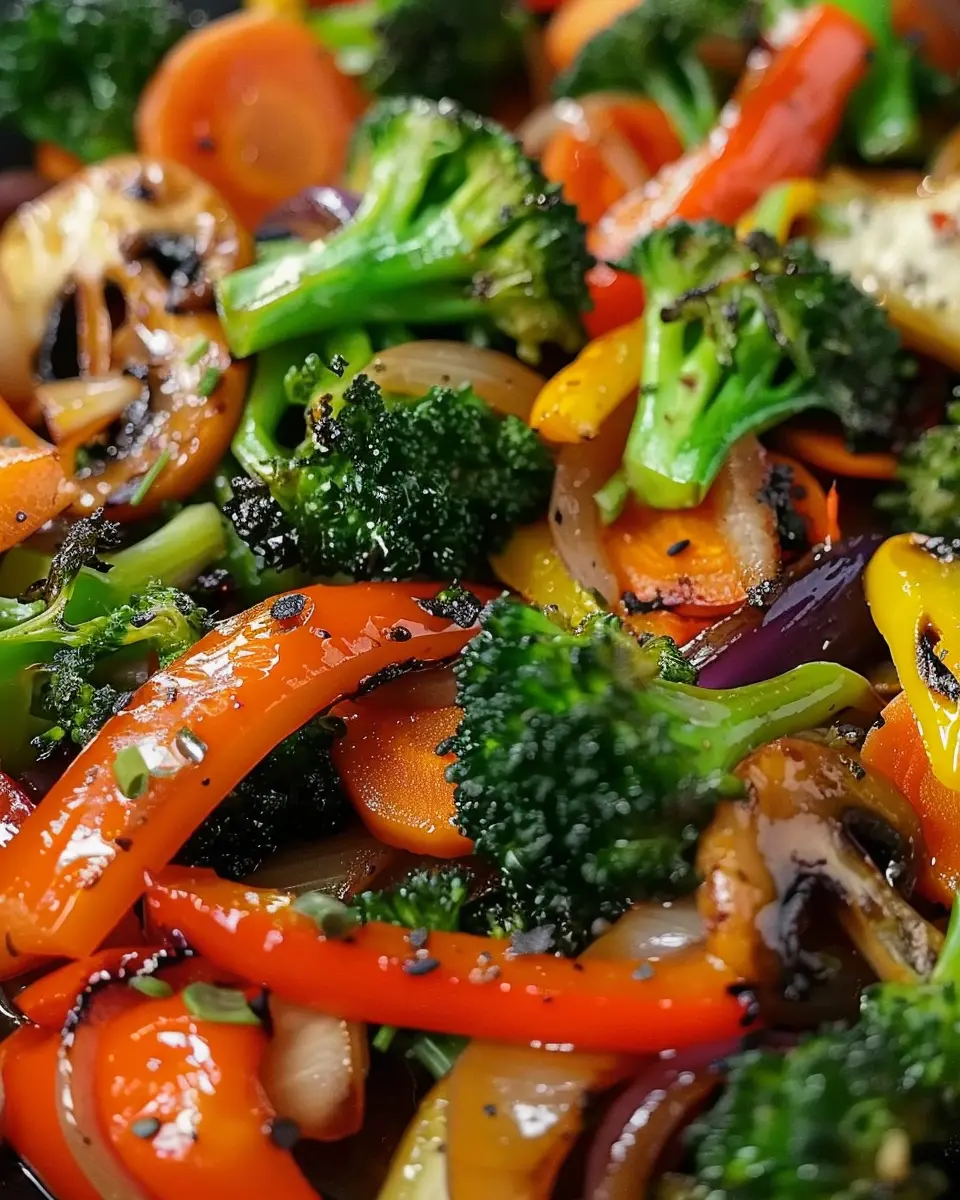
Essential ingredients for a vibrant dish
Creating healthy sautéed vegetables starts with a selection of fresh, colorful produce. Here’s what you’ll need:
- Leafy Greens: Spinach, kale, or Swiss chard add essential vitamins and minerals.
- Bell Peppers: These not only bring vibrant color but also pack a punch of vitamin C.
- Zucchini: A versatile ingredient that adds moisture and a subtle flavor.
- Carrots: Their natural sweetness balances the dish and enhances the texture.
- Olive Oil: A heart-healthy fat that helps bring out the flavors of your veggies.
Don’t forget to use fresh herbs like basil or parsley for a dash of freshness. According to a study by the USDA, incorporating more vegetables into your diet can significantly impact your overall health.
Optional ingredients for a flavor boost
To elevate your healthy sautéed vegetables experience, consider adding:
- Garlic and Onion: These aromatics infuse your veggies with a depth of flavor.
- Turkey Bacon or Chicken Ham: A lean protein option that gives your dish a savory kick.
- Spices: Experiment with cumin, paprika, or a dash of chili flakes to add complexity.
These optional ingredients can be a game changer, bringing new life to your sautéed creations. Want more ingredients inspiration? Check out this article on seasonal vegetables!
Preparing Healthy Sautéed Vegetables
Cooking up a batch of healthy sautéed vegetables is not just about putting together a colorful array of produce—it’s a chance to nourish your body with vitamins and minerals while creating a meal that’s bursting with flavor. Plus, it’s quick and versatile enough to fit into anyone’s busy schedule. Let’s walk through the steps to make your sautéed veggies a delicious success!
Gather Your Fresh Ingredients
To get started, you’ll want to select a mix of your favorite vegetables. Fresh is always best, so make a trip to your local farmer’s market or grocery store. Here’s a list of what you might consider:
- Bell peppers
- Zucchini
- Spinach or kale
- Broccoli
- Carrots
- Green beans
- Asparagus
- Cherry tomatoes
Don’t hesitate to get creative! Incorporating a variety not only adds color but also maximizes nutritional value. Additionally, consider adding lean proteins like turkey bacon or grilled chicken ham for added texture and flavor. You can find some inspiration from the USDA’s MyPlate guidelines, which emphasize the importance of including various fruits and vegetables in your diet.
Prepare and Chop the Vegetables
Once you’ve gathered your veggies, it’s time for some prep work. Aim for uniform sizes so they cook evenly. Here’s how to chop them efficiently:
- Bell Peppers: Remove the seeds and cut them into strips or chunks.
- Zucchini: Slice into rounds or half-moons for quick cooking.
- Carrots: Thinly slice or julienne for faster sautéing.
- Broccoli and Green Beans: Cut them into bite-sized pieces.
As you chop, think about how you’ll combine flavors and textures. The colorful palette of your chopped ingredients will make your meal visually appealing and delicious!
Heat the Oil and Sauté the Garlic
In a large skillet, heat a tablespoon of olive oil over medium heat. Olive oil is not only healthy but also a good source of antioxidants. Once the oil is hot, toss in a few minced garlic cloves—this step will infuse the oil with flavor. Sauté the garlic until it becomes fragrant, usually about 30 seconds to a minute, but be cautious not to let it burn!
Garlic is rich in antioxidants and may help reduce the risk of chronic diseases. If you’re looking for alternatives, consider using shallots or onions for a sweeter, milder flavor.
Add Vegetables and Season
Next, it’s time to incorporate your vegetables. Start with the heartier ones like broccoli and carrots, giving them a little head start in the skillet. After a couple of minutes, add in the softer veggies, such as spinach and cherry tomatoes. This tiered approach ensures every vegetable reaches that perfect level of doneness.
As far as seasoning goes, you have plenty of options. A sprinkle of salt and pepper goes a long way, but don’t be afraid to spice things up with:
- Red pepper flakes for heat
- Dried herbs like oregano or thyme
- A splash of lemon or balsamic vinegar for brightness
Sauté to Perfection
Now comes the fun part—sautéing! Toss the vegetables occasionally, allowing them to cook for about 5-10 minutes, or until they’re tender yet retain a bit of crunch. This technique preserves their vibrant colors and nutrients. You can even add a dash of low-sodium soy sauce or a sprinkle of nutritional yeast at the end for an extra umami kick.
Want to add more depth? Try finishing your dish with a sprinkle of fresh herbs like parsley or basil right before serving. It’s an easy way to elevate your healthy sautéed vegetables to gourmet status!
Now that you’ve prepared this vibrant mix of veggies, feel free to enjoy them as a standalone dish, a side for protein, or even as part of a grain bowl. With these easy steps, you’re set to create delightful and nutritious meals that nourish both body and soul. Let’s bring those veggies to life!
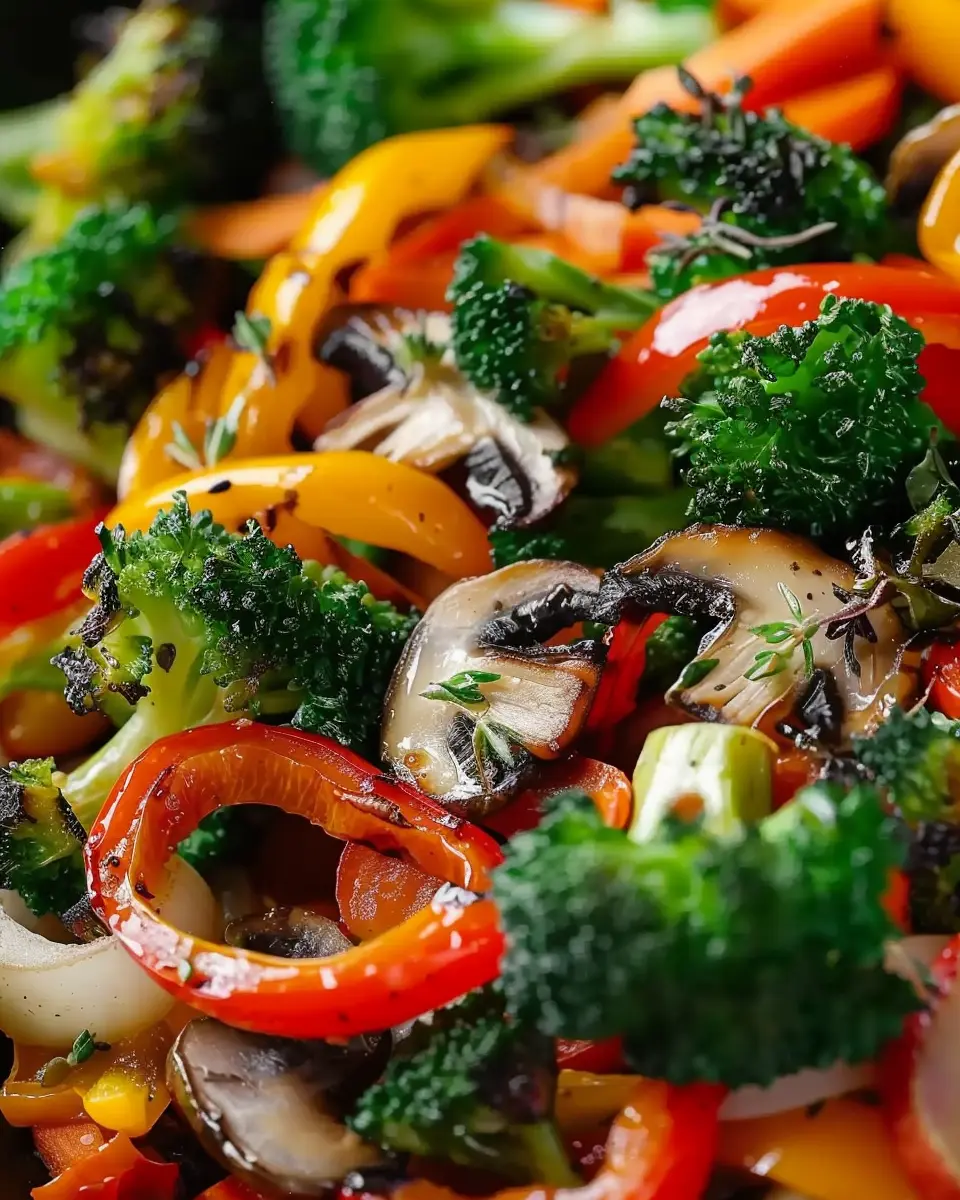
Variations on Healthy Sautéed Vegetables
Mediterranean-Inspired Sautéed Vegetables
Looking to transport your taste buds to the Mediterranean? Start by drizzling your sautéed vegetables with olive oil and adding garlic, fresh herbs like basil or oregano, and a squeeze of lemon juice. Bell peppers, zucchini, and eggplant work beautifully in this mix. Did you know that incorporating Mediterranean diet principles can lower your risk of heart disease? Fresh ingredients are truly the secret! Check out more about the benefits of the Mediterranean diet here for further inspiration.
Asian-Style Sautéed Vegetables with Soy Sauce
If you’re craving something with a bit more zing, try an Asian twist! Use soy sauce, sesame oil, and a hint of ginger. Broccoli, snow peas, and carrots make a vibrant, crunchy medley that’s bursting with flavor. Not only does this variation taste great, but studies show that including a variety of colorful vegetables boosts your nutrient intake. Want to kick it up a notch? Add a sprinkle of sesame seeds or a dash of sriracha for an extra kick!
Mix-and-Match Vegetables Based on Seasonality
Embrace the changing seasons by rotating your vegetable choices! Fresh asparagus in spring, colorful tomatoes in summer, hearty squash in fall, and brussels sprouts in winter can all find their way into your healthy sautéed vegetables. This approach not only promotes a varied diet but also supports local farmers and saves you some cash. For more tips on shopping seasonally, consider reading this guide to find local produce.
Mix and match these ideas to discover what you love—your taste buds will thank you!
Cooking Tips and Notes for Healthy Sautéed Vegetables
Choosing the Right Pan
When it comes to healthy sautéed vegetables, the pan you use can make a world of difference! Opt for a sturdy non-stick skillet or a cast-iron pan, as these distribute heat evenly. A well-seasoned cast-iron skillet not only adds flavor but also helps in achieving that beautiful golden-brown color. Interested in the benefits of using cast iron? Check out this article on the health benefits of cast-iron cookware.
Tips for Achieving the Perfect Crunch
To ensure that your vegetables maintain a delightful crunch, consider these tips:
- Cut evenly: Chop your vegetables into uniform sizes to promote even cooking.
- Preheat your pan: A hot pan can sear the vegetables quickly, locking in their flavors.
- Don’t overcrowd: Give them enough space in the pan to sauté properly; this prevents steaming and promotes that satisfying texture.
By following these simple guidelines, you’ll master the art of preparing healthy sautéed vegetables that are both nutritious and delicious!
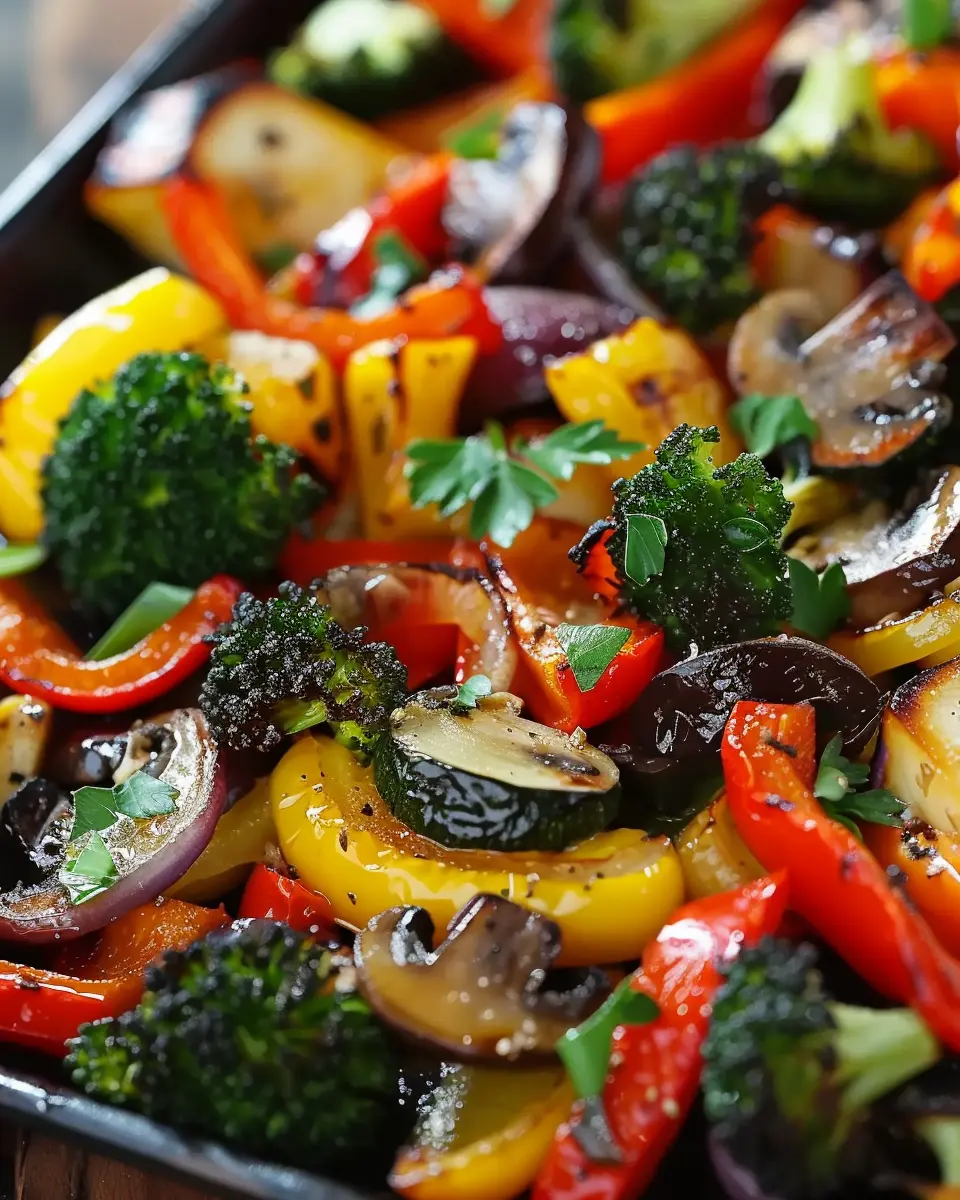
Serving Suggestions for Healthy Sautéed Vegetables
Ideal pairings with grains and proteins
Healthy sautéed vegetables are incredibly versatile and can elevate any meal. Consider pairing them with:
- Quinoa or Brown Rice: These nutritious grains provide a hearty base for your veggies.
- Grilled Chicken or Turkey Bacon: The lean protein will satisfy your hunger while complementing the vibrant flavors of the veggies.
- Chickpeas or Lentils: Plant-based options that contribute to not only protein intake but also fiber, making your meal more filling.
Don’t forget to season with herbs or spices like garlic or ginger, enhancing both the nutrients and taste!
Creative serving ideas to impress your guests
When it comes to serving healthy sautéed vegetables, presentation can make a huge difference. Here are some fun ideas:
- Stuffed Peppers: Fill bell peppers with a mixture of sautéed veggies, quinoa, and spices for a colorful dish.
- Veggie Tacos: Use whole-wheat tortillas and load them up with your sautéed vegetables, topped with avocado and fresh salsa for a vibrant touch.
- Salad Toppers: Give salads a vitality boost by adding your sautéed mixture as a warm topping.
These ideas are not only visually stunning but also offer guests a delightful twist on classic vegetable dishes. Enjoy the creativity and don’t hesitate to experiment for that personal touch!
Time Breakdown for Healthy Sautéed Vegetables
Preparation Time
Getting your healthy sautéed vegetables ready is a breeze! You’ll need about 10 minutes to wash, peel, and chop your favorite veggies. Think bell peppers, zucchini, and carrots – each brings something unique to the table!
Cooking Time
Once prepped, the cooking time is fairly quick—about 15 minutes in total. This gives you just enough time to combine flavors and achieve the perfect sautéed texture without losing the veggies’ vibrant color and crunch.
Total Time
In total, you’re looking at roughly 25 minutes from start to finish. Isn’t it nice to have a delicious, nutritious side dish ready in no time? For additional tips on veggie prep and cooking techniques, consult resources like The Spruce Eats for more insights into making meals easier. Embrace the joy of cooking!
Nutritional Facts for Healthy Sautéed Vegetables
Calories per serving
When preparing healthy sautéed vegetables, you’ll find that each serving typically contains around 100-150 calories. This may vary slightly based on the type and quantity of vegetables used, as well as any added oils or seasonings. Sautéing is a great way to keep the calorie count low while maximizing flavor.
Key nutrients to look out for
In your delicious dish of healthy sautéed vegetables, several key nutrients stand out:
- Vitamins: Rich in vitamins A, C, and K, these veggies support immune function and skin health.
- Minerals: You’ll also benefit from essential minerals like potassium and magnesium, which help regulate blood pressure.
- Fiber: High in fiber, which aids digestion and keeps you feeling full longer.
Choosing a colorful variety enhances your plate’s nutritional value, letting you reap the benefits of different plant compounds. For more insights on the nutritional benefits of vegetables, check out resources like Healthline or Nutritional Guidelines.
FAQs about Healthy Sautéed Vegetables
When diving into the delicious world of healthy sautéed vegetables, it’s completely normal to have some questions. Here are some common queries that can help you level up your veggie game.
Can I use frozen vegetables instead?
Absolutely! Frozen vegetables are often picked at their peak ripeness and flash-frozen, making them a nutritious option. Just be sure to thaw them before sautéing for an even cook. You can also pat them dry with a paper towel to avoid excess moisture—nobody wants soggy veggies!
How can I prevent the vegetables from becoming soggy?
Sogginess is often a concern when sautéing vegetables. Here are some tips to keep them crisp and vibrant:
- High heat: Use a hot pan to sear the veggies quickly, locking in flavor and texture.
- Avoid overcrowding: Give your vegetables space; sauté in batches if needed to allow steam to escape.
- Pat dry: As previously mentioned, dry your veggies before cooking to reduce moisture.
These simple tricks can lead to perfectly cooked veggies that are both flavorful and appealing.
What are some good seasoning options?
When it comes to seasoning your healthy sautéed vegetables, the possibilities are endless! Here are a few tasty options:
- Herbs: Fresh or dried thyme, rosemary, or basil can elevate any sauté.
- Spices: Crushed red pepper flakes add heat, while garlic powder provides a robust flavor.
- Citrus: Squeeze some lemon or lime juice just before serving to brighten the dish.
Experimenting with different combinations can lead to delightful discoveries! For more ideas, check out this guide on herbs and spices that can add a kick to your meals.
Enjoy your healthy cooking!
Conclusion on Healthy Sautéed Vegetables
Incorporating healthy sautéed vegetables into your routine can significantly enhance your diet and overall well-being. Not only do these vibrant veggies burst with flavor, but they also pack a nutritional punch. Studies suggest that increased vegetable intake can lower the risk of chronic diseases and improve digestion (source: Harvard Health).
Think of sautéed vegetables as a canvas—there’s endless potential for creativity! Elevate your meals and enjoy the benefits of added fiber, vitamins, and minerals. So, the next time you’re in the kitchen, give these colorful delights a whirl. Your taste buds and your health will thank you!
PrintHealthy Sautéed Vegetables: The Best Easy Recipe for All Chefs
A simple and delicious recipe for healthy sautéed vegetables that everyone can enjoy.
- Prep Time: 10 minutes
- Cook Time: 10 minutes
- Total Time: 20 minutes
- Yield: 4 servings
- Category: Vegetable Dish
- Method: Sautéing
- Cuisine: Global
- Diet: Vegetarian
Ingredients
- 2 cups mixed bell peppers
- 1 cup broccoli florets
- 1 cup sliced carrots
- 2 tablespoons olive oil
- 1 teaspoon garlic powder
- 1 teaspoon salt
- ½ teaspoon black pepper
Instructions
- Heat olive oil in a large skillet over medium heat.
- Add bell peppers, broccoli, and carrots to the skillet.
- Sauté the vegetables for about 5-7 minutes until they are tender.
- Sprinkle garlic powder, salt, and pepper over the vegetables and stir well.
- Cook for an additional 2 minutes, then remove from heat and serve.
Notes
- Feel free to add your favorite vegetables to this recipe.
- Fresh herbs can enhance the flavor even more.
Nutrition
- Serving Size: 1 cup
- Calories: 150
- Sugar: 6g
- Sodium: 400mg
- Fat: 9g
- Saturated Fat: 1g
- Unsaturated Fat: 8g
- Trans Fat: 0g
- Carbohydrates: 15g
- Fiber: 5g
- Protein: 3g
- Cholesterol: 0mg