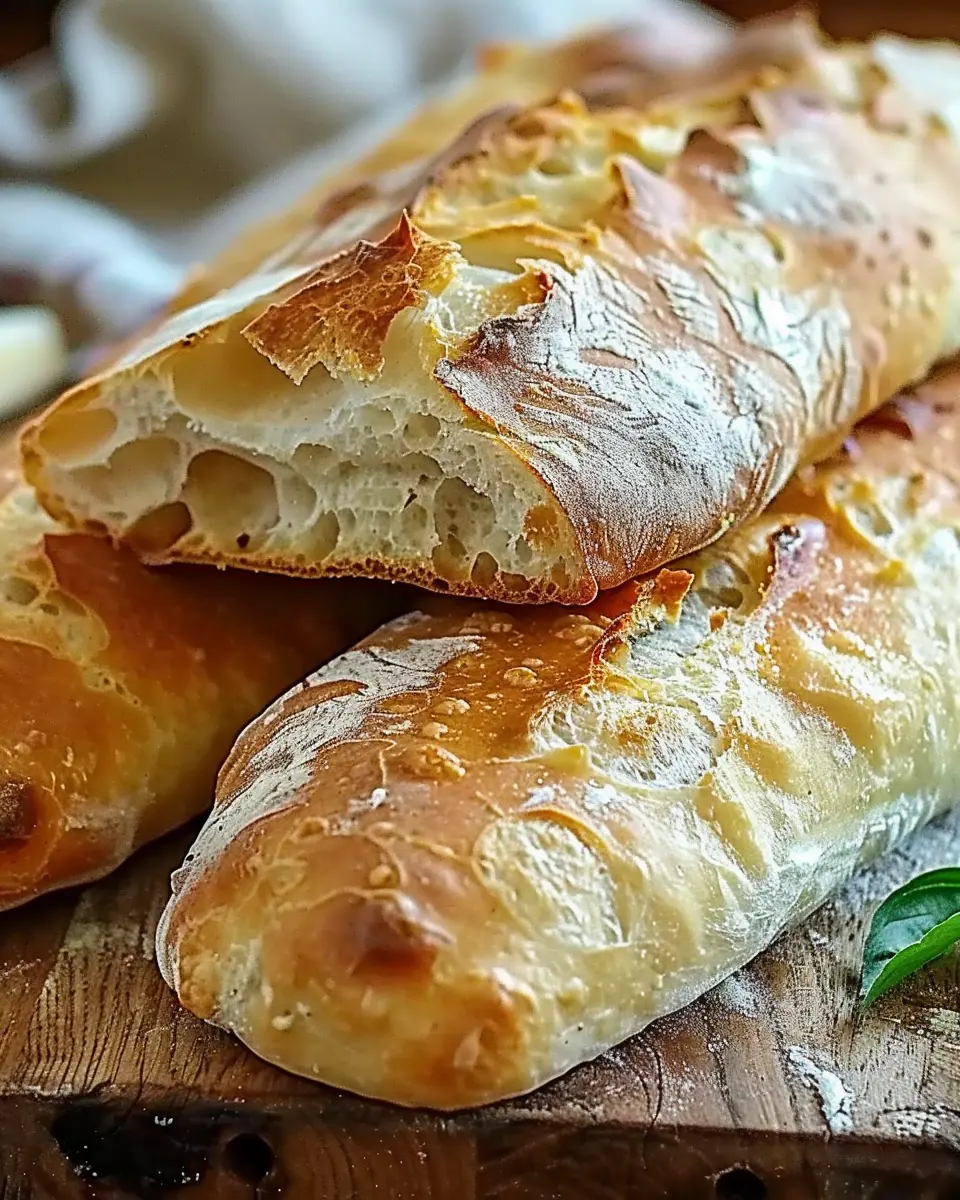
Introduction to Crusty Italian Bread
When you think of Italian bread, the image of a rustic loaf with a golden-brown crust and a soft, airy interior likely comes to mind. This is where crusty Italian bread truly shines! With its deliciously crunchy exterior and delightful chewiness inside, this bread is not just a staple in Italian cuisine but a must-try for anyone who appreciates the art of baking. Whether you’re dipping it in olive oil, pairing it with a hearty bowl of soup, or topping it with your favorite spreads, crusty Italian bread takes any meal to new heights.
Why is crusty Italian bread a must-try?
There are several reasons why you’ll want to add crusty Italian bread to your baking repertoire:
-
Texture: The contrast between the crusty outer layer and the soft, chewy interior is a textural delight. It elevates the experience of every bite, making even the simplest meal exciting.
-
Versatility: This bread can be used in countless ways—from forming the base of delicious sandwiches, such as a tangy turkey bacon sandwich with fresh greens, to complementing your antipasti platter. You can easily turn bite-sized pieces of it into croutons for salads or use it to soak up flavorful broths.
-
Nutritional Benefits: Made from simple ingredients like flour, water, and salt, crusty Italian bread can be a healthier choice compared to heavily processed options. The fermentation process involved in its making allows beneficial bacteria to flourish, potentially aiding digestion (source).
-
Skill Development: For those venturing into home baking, mastering this bread helps you learn foundational techniques that can translate to a variety of baked goods. It’s rewarding to pull a beautiful loaf from the oven and share it with friends and family.
So, if you’ve ever considered trying your hand at baking bread, starting with crusty Italian bread is an excellent choice. Not only will you end up with a scrumptious loaf, but you’ll also gain confidence in your baking abilities. Ready to give it a go? Let’s dive into the recipe and get those ovens preheated!

Ingredients for Crusty Italian Bread
Essential ingredients for perfect crusty Italian bread
Creating the ultimate crusty Italian bread at home is easier than you might think! Start with these essential ingredients, and you’ll soon find yourself baking up loaves that rival your favorite bakery.
-
Flour: Use high-protein bread flour for that perfect chewy texture. It helps create a great structure and a nice crumb.
-
Water: Fresh, room-temperature water provides hydration, essential for yeast activation and developing gluten.
-
Yeast: Opt for active dry yeast or instant yeast. Both work well, but instant yeast tends to be a bit more forgiving in terms of rising.
-
Salt: Don’t skimp on salt—it enhances flavor and strengthens gluten formation.
-
Olive oil: Adding a touch of extra virgin olive oil helps enrich the dough and contributes to a delightful crust.
These basic ingredients are all you need, but the magic happens when you combine them with patience and care. If you’re like me, finding the right balance is key. For helpful tips on bread-making techniques, check out resources from King Arthur Baking or explore Breadtopia for further guidance on achieving that sought-after crust!
Preparing Crusty Italian Bread
There’s nothing quite like the aroma of fresh, homemade crusty Italian bread wafting through your kitchen. This bread is perfect for dipping into olive oil, making sandwiches, or simply enjoying with a pat of butter. Let’s break it down into manageable steps to ensure your loaf comes out beautifully every time.
Combine the Wet Ingredients
Start by gathering your wet ingredients. You’ll need:
- 1 ¾ cups of warm water (around 110°F)
- 1 tablespoon of sugar
- 2 teaspoons of active dry yeast
- 2 tablespoons of olive oil
In a large mixing bowl, combine the warm water and sugar, and then gently sprinkle the yeast on top. Let it sit for about 5 minutes until foamy; this shows you that your yeast is active and ready to work its magic. Then, stir in the olive oil. The combination of the warm water and yeast activates fermentation, which is crucial for developing that incredible flavor in your crusty Italian bread.
Mix the Dry Ingredients
Next, it’s time to prepare your dry ingredients. You’ll need:
- 4 cups of all-purpose flour (plus extra for dusting)
- 2 teaspoons of salt
In a separate bowl, whisk the flour and salt together to ensure they are evenly distributed. The salt plays a vital role in flavor and controls the yeast activity, so don’t skip it! This mix is what gives your bread its structure and strength.
Knead the Dough
Once your wet and dry ingredients are ready, it’s time to combine them. Pour the dry mixture into the bowl with the wet ingredients. Using a wooden spoon or your hands, mix until a shaggy dough forms. Then transfer it onto a floured surface and start kneading. Knead for about 10 minutes, adding small amounts of flour as necessary to prevent sticking. You want to develop gluten here, which gives your crusty Italian bread its chewy texture and airy structure.
Allow the Dough to Rise
After kneading, place your dough in a lightly oiled bowl, cover it with a damp cloth or plastic wrap, and set it in a warm place. Let it rise for about 1 to 2 hours, or until it has doubled in size. This fermentation process not only enhances the flavor but also creates those delightful air pockets in the bread.
Shape the Loaf
Once your dough has risen beautifully, punch it down to release the air. On a floured surface, shape it into a loaf. This part is crucial for the final crust—be gentle, yet firm, as you tuck the edges under. You can also create baguette shapes or round boules, depending on your preference. Keep it covered with a kitchen towel while you prepare for the next step to prevent it from drying out.
Score the Bread
Scoring the bread before baking may seem like an afterthought, but this step is essential for controlling how the bread expands in the oven. Use a sharp knife or a bread lame to make shallow cuts on the surface. Not only does this create beautiful patterns, but it allows steam to escape, leading to that glorious crust we all crave.
Bake the Bread
Finally, preheat your oven to 450°F. For an extra crusty Italian bread, place a pan of water on the bottom rack while preheating. This steam creates a perfect baking environment. Once your oven is ready, bake the bread for about 25-30 minutes or until golden brown. It should sound hollow when tapped on the bottom.
Let it cool on a wire rack before slicing into it. Pair it with some garlic butter or enjoy it plain—either way, you’ve created something truly delicious!
Don’t forget to check out resources like King Arthur Baking for more expert tips and community recipes. Happy baking!
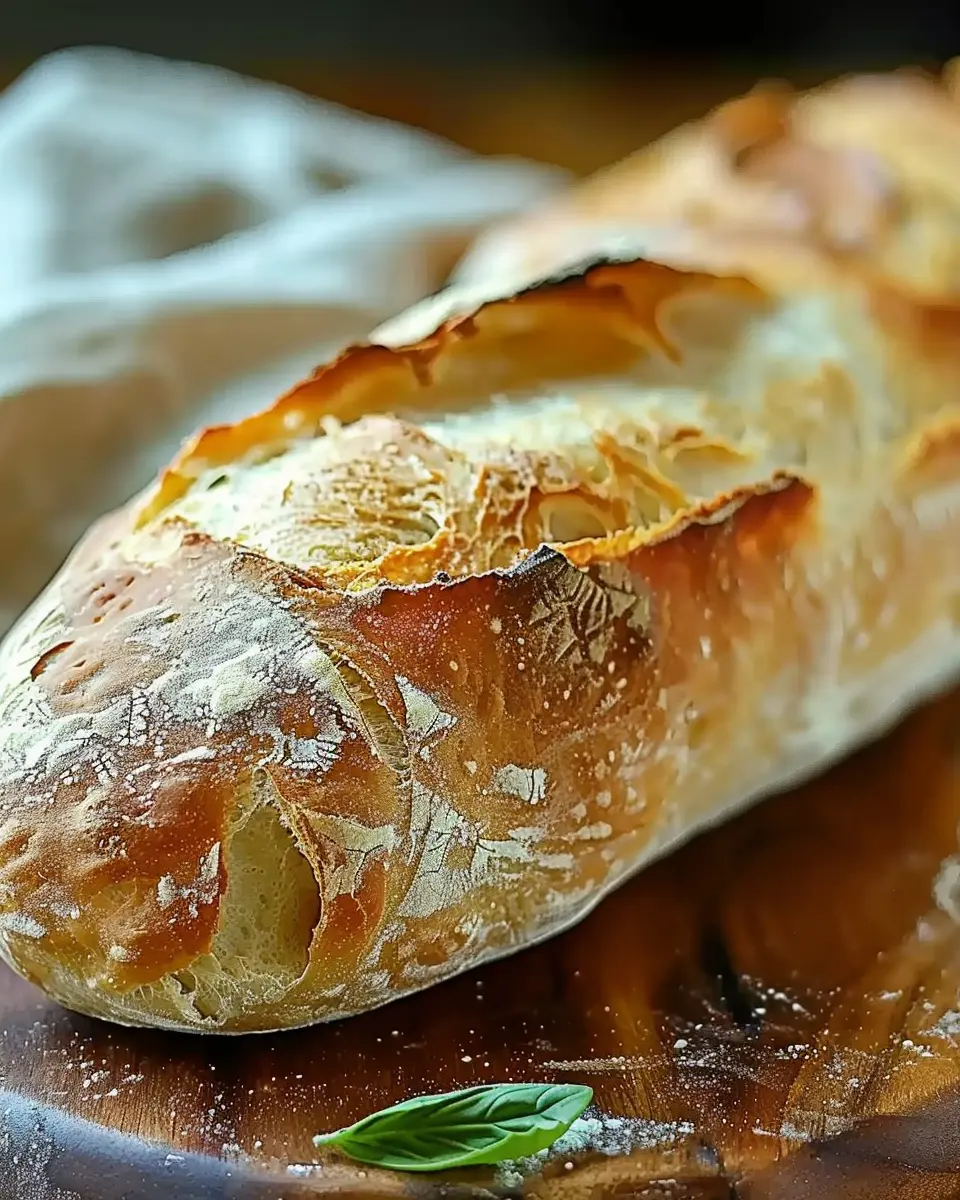
Variations on Crusty Italian Bread
When it comes to crusty Italian bread, there’s a world of delicious variations begging to be explored! Let’s dive into a couple of tempting options you can try at home.
Herb-infused Crusty Italian Bread
Adding fresh herbs to your crusty Italian bread elevates its flavor profile to a whole new level. Imagine taking a warm loaf and smelling the delightful aroma of rosemary, thyme, or basil. Here’s how to infuse your bread:
- Herbs: Choose your favorites, whether it’s classic basil or zesty oregano. Finely chop about 2 tablespoons and mix them into your dough.
- Garlic and Olive Oil: For an extra kick, consider adding minced garlic and a splash of high-quality olive oil.
Not only does this create a fantastic flavor, but it also adds an earthy note that perfectly accompanies soups and salads. Plus, check out this article on the benefits of fresh herbs for a deeper dive into their properties.
Whole Grain Crusty Italian Bread
If you’re looking for a healthier alternative, why not experiment with whole grain crusty Italian bread? Whole grains provide extra fiber and nutrients, making this variation a wholesome choice.
- Flour Substitute: Replace half of the all-purpose flour with whole wheat flour for an added nutritional boost while maintaining that crusty texture you love.
- Seeds & Grains: Toss in some sunflower seeds or even a mix of grains for a delightful crunch.
This version not only keeps things hearty but also satisfies those looking for a healthier take on traditional bread. Explore more on the benefits of whole grains at Harvard Health.
By experimenting with these variations, you can transform your regular crusty Italian bread into something spectacular. Don’t be afraid to get creative in the kitchen!
Baking Notes for Crusty Italian Bread
Tips for Achieving the Perfect Crust
Achieving the ideal crusty Italian bread is all about technique and a little bit of science. Here are some key tips to elevate your baking game:
-
Use Steam: Adding steam in the first 10 minutes of baking helps create that gorgeous crust. You can achieve this by placing a pan of hot water in the oven or spritzing water directly onto the bread.
-
Don’t Rush the Proofing: Allow your dough to rise until it has doubled in size. This boosts the flavor and texture significantly.
-
Oven Temperature: Preheat your oven to a high setting, about 450°F (232°C). A hot oven is essential for crust formation.
-
Use a Baking Stone: If you have one, a baking stone distributes heat evenly, which can enhance both the crust and the overall bake.
Baking crusty Italian bread at home can be a rewarding experience. Not only do you end up with a delicious loaf, but you also fill your home with an irresistible aroma, making it perfect for hosting friends or enjoying a quiet evening. Happy baking!
For more on baking basics, check out resources from King Arthur Baking or Food Network.
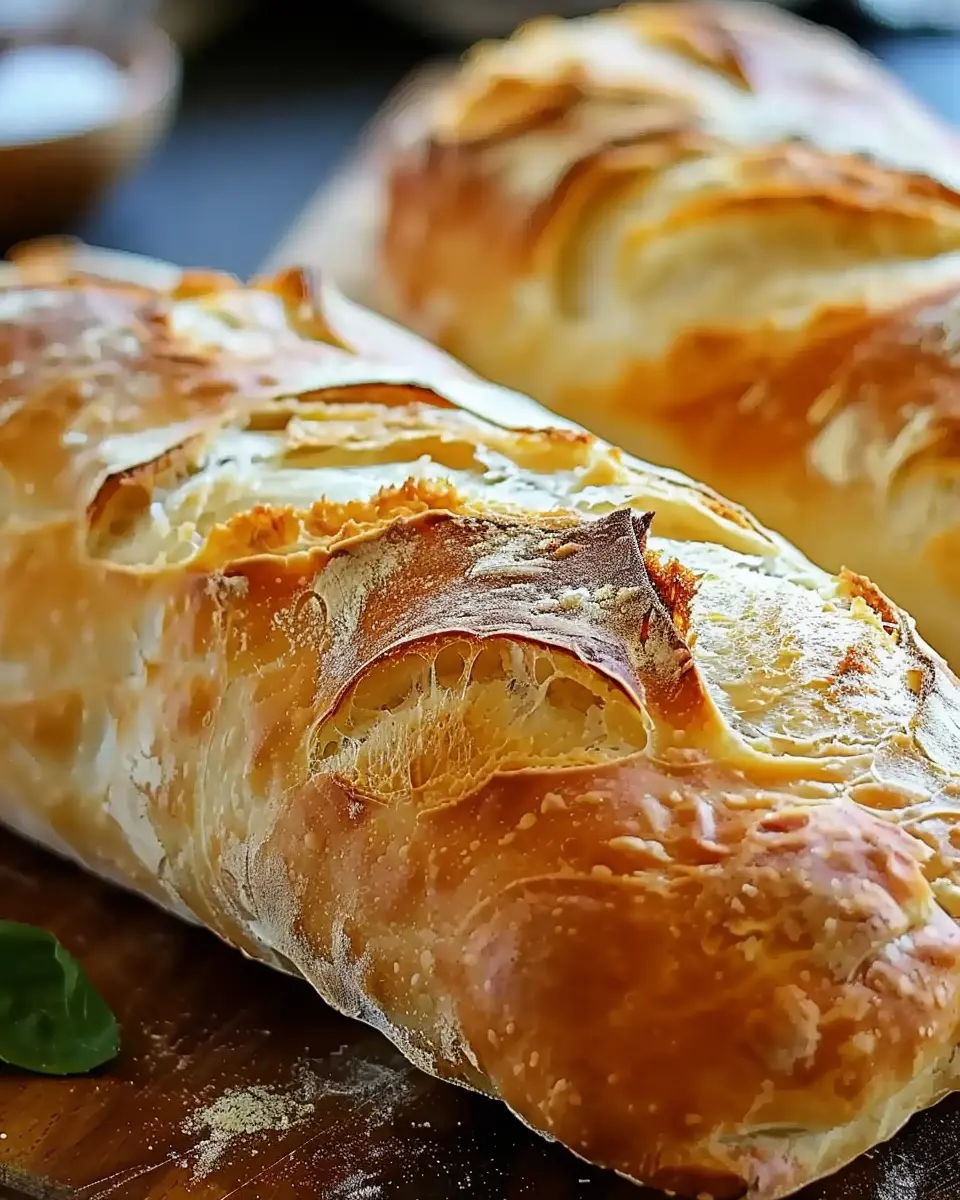
Serving suggestions for Crusty Italian Bread
Pairing ideas with crusty Italian bread
Crusty Italian bread is more than just a side – it’s the star of the meal! Let’s explore some delightful pairings that complement its robust flavor and texture.
-
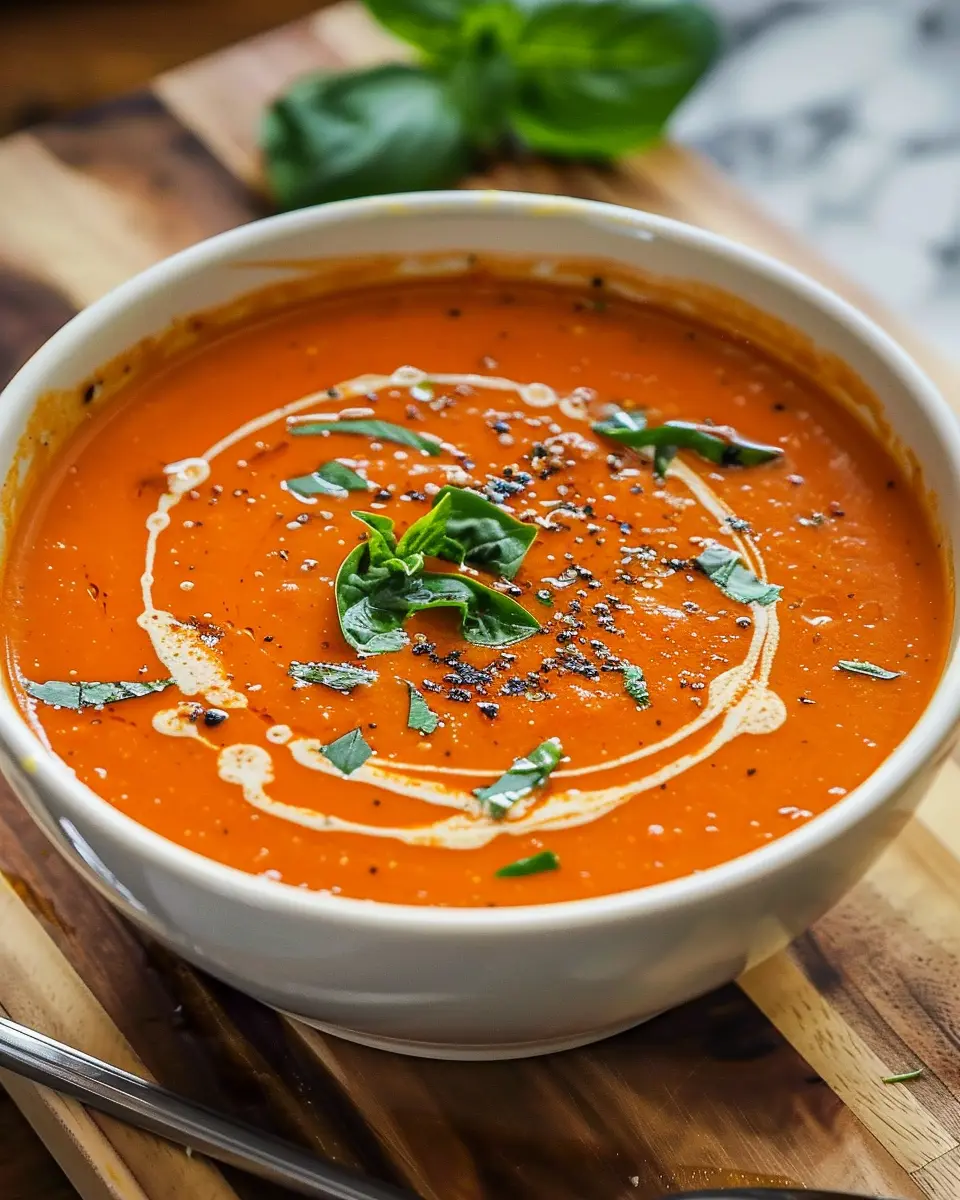
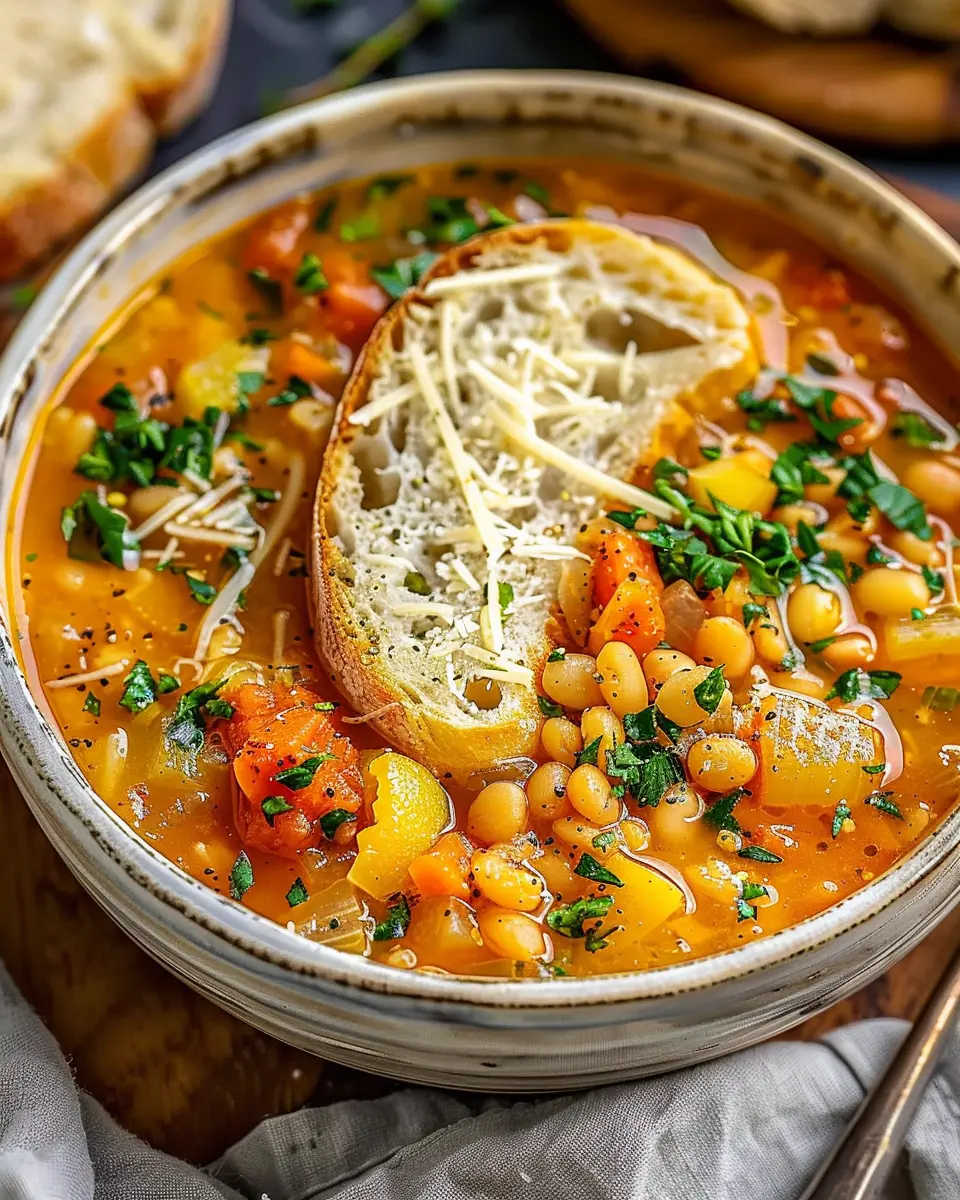
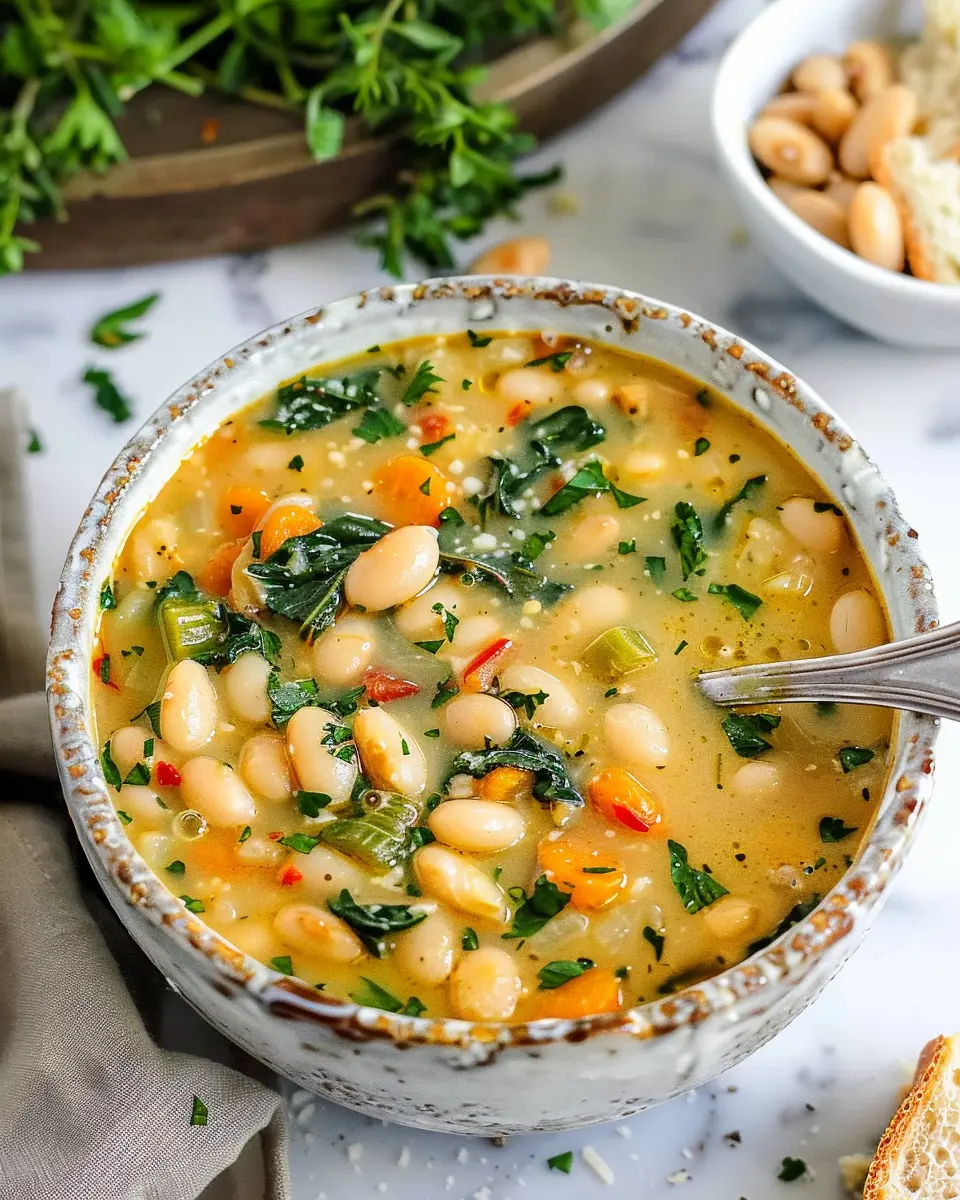
Soups and Stews: Nothing beats a warm bowl of minestrone or a hearty beef stew with a slice of crusty Italian bread for dipping. The bread soaks up those rich flavors beautifully.
-
Cheese Platters: Serve your bread alongside an assortment of cheeses, like creamy goat cheese or sharp cheddar. Add some olives and fresh fruits for a colorful platter that’s sure to impress.
-
Sandwiches: Think outside the box! Crusty Italian bread is fantastic for sandwiches. Try a turkey bacon and avocado combo or a classic chicken ham with fresh basil and mozzarella.
-
Bruschetta: Top slices of your fresh bread with a mix of diced tomatoes, garlic, basil, and a drizzle of olive oil for a refreshing appetizer.
Remember, the joy of crusty Italian bread is that it enhances whatever meal you create around it! Want to learn more about creative serving ideas? Check out this article for more inspiration.
Tips for Making the Perfect Crusty Italian Bread
Common Mistakes to Avoid
Crafting crusty Italian bread can feel daunting, but avoiding a few common pitfalls can elevate your baking game. One frequent mistake is not letting the dough rise enough. Patience is key! Allowing the dough to double in size ensures a light, airy loaf. Another error is using too much flour when kneading, which can result in a dense bread. Remember, the goal is a slightly sticky dough. Lastly, many bakers underestimate the importance of steam in the oven. Adding a pan of hot water or spraying the dough with water at the start helps develop that coveted crust.
Tools That Make the Process Easier
Investing in a few handy tools can enhance your crusty Italian bread experience. A pizza stone or Cast Iron Dutch Oven can create a wonderful environment for baking, simulating the conditions of a traditional bread oven. A digital kitchen scale is invaluable for measuring ingredients precisely, ensuring consistency in your results. Additionally, consider using a bench scraper to handle the sticky dough easily. A baking thermometer is also a great way to check if your bread has reached that perfect internal temperature of around 200°F before taking it out of the oven.
For a deeper dive into bread-making, check out King Arthur Baking for tips and techniques. Happy baking!
Time details for Crusty Italian Bread
When making crusty Italian bread, one of the most satisfying aspects is watching the transformation throughout the process. Here’s a breakdown of the time you’ll need to dedicate:
Preparation time
Expect to spend about 15-20 minutes mixing and kneading the ingredients. This initial effort sets the foundation for that delightful crust and airy interior.
Rising time
The dough will need approximately 1.5 hours to rise. A warm environment works wonders—consider a cozy spot on your kitchen counter or even a slightly warmed oven (turned off, of course!).
Baking time
Once your dough has risen, it will take around 30-40 minutes to bake. You want that glorious golden-brown crust; it’ll be worth the wait!
Total time
By the time you finish, you’ll have dedicated about 2-3 hours in total, including prep, rising, and baking. Trust us, that crusty Italian bread will be a worthy reward.
For more insights, check out this resource on bread-making techniques from King Arthur Baking. You’ll certainly become a pro in no time!
Nutritional information for Crusty Italian Bread
Calories per slice
If you’re curious about how your delightful crusty Italian bread fits into your daily diet, you’ll be pleased to know it’s quite reasonable! On average, a single slice contains about 80-100 calories, depending on thickness and specific ingredients. This makes it a wonderful option for sandwiches or as a side with your favorite meals.
Other nutritional highlights
While the calorie count is manageable, crusty Italian bread offers more than just a delicious crunch. Here are some noteworthy nutritional highlights:
- Carbohydrates: A great source of energy, providing roughly 15-20 grams per slice. Ideal for keeping you fueled throughout your busy day.
- Protein: It contains about 3 grams of protein, giving you a small boost for muscle growth and repair.
- Fiber: Opt for whole wheat varieties to enjoy added fiber, which can help with digestion and keep you feeling full longer.
Enjoying crusty Italian bread in moderation and with healthier toppings, like avocado or turkey bacon, can balance flavors without compromising nutritional integrity. For more on making informed dietary choices, check out resources from healthline.com. Remember, your meals should be as nutritious as they are delicious!
FAQs about Crusty Italian Bread
How do I achieve a crusty exterior?
The hallmark of crusty Italian bread is its delightful, crunchy crust. To achieve this, you can employ a few tried-and-true techniques:
- Steam it up: Place a pan of water in the oven while your bread bakes. The moisture will create steam, resulting in that coveted crust.
- Preheat properly: Ensure your oven is thoroughly preheated to a high temperature, usually around 450-475°F (230-245°C). This initial blast of heat helps form the crust quickly.
- Use a baking stone: If you have one, a baking stone retains heat, creating a superior crust.
For more tips, check out this guide on bread baking techniques.
Can I make crusty Italian bread without a stand mixer?
Absolutely! While a stand mixer can make kneading easier, it’s not necessary. You can easily knead your dough by hand. Just follow these steps:
- Combine your ingredients in a bowl.
- Transfer the mixture to a lightly floured surface.
- Use the heel of your hand to push the dough away, then fold it back over. Repeat for about 10 minutes until the dough is smooth and elastic.
This hands-on approach not only gives you a great workout but also helps develop a deeper connection with your crusty Italian bread.
What should I do if my dough doesn’t rise?
Don’t fret! There are several reasons dough might not rise, but you can troubleshoot:
- Check the yeast: If it’s expired or not activated properly, your dough won’t rise. Always test your yeast in warm water with a little sugar before using it.
- Warm environment: Dough likes a cozy spot to rise. If your kitchen is chilly, consider placing it in a slightly warm oven (turn it on, then off) or near a sunny window.
With these strategies, you’ll have beautiful, rising crusty Italian bread in no time. For a deeper dive into the science of bread rising, check King Arthur Baking.
Conclusion on Crusty Italian Bread
Embrace the joy of homemade bread!
In the world of culinary delights, few things rival the joy of baking your own crusty Italian bread. The enticing aroma of freshly baked bread wafting through your kitchen truly transforms your space, creating a warm and inviting atmosphere. Beyond the sensory pleasures, this bread-making process connects you to tradition and family, offering countless opportunities for creativity.
So, whether you’re savoring it with a simple olive oil dip or crafting the ultimate sandwich with turkey bacon and chicken ham, your crusty Italian bread becomes more than just a loaf—it’s a labor of love. Dive into this rewarding experience and let every bite remind you of the joy and satisfaction of doing it yourself. For tips on elevating your baking, check out resources like the Bread Bakers Guild for expert insights and community support.
PrintCrusty Italian Bread: The Best Homemade Recipe You’ll Love

Learn how to make the perfect crusty Italian bread at home with this easy-to-follow recipe.
- Prep Time: 20 minutes
- Cook Time: 30 minutes
- Total Time: 2 hours 50 minutes
- Yield: 1 loaf
- Category: Bread
- Method: Baking
- Cuisine: Italian
- Diet: Vegetarian
Ingredients
- 4 cups all-purpose flour
- 2 teaspoons salt
- 1 teaspoon sugar
- 2 teaspoons active dry yeast
- 1 3/4 cups warm water
Instructions
- In a large bowl, combine flour, salt, sugar, and yeast.
- Add warm water and mix until a sticky dough forms.
- Cover the bowl with a damp towel and let it rise for 1 to 2 hours.
- Preheat your oven to 450°F (230°C).
- Shape the dough and place it on a floured baking sheet.
- Let it rest for 30 minutes before baking.
- Bake for 30 minutes or until golden brown.
- Allow to cool before slicing.
Notes
- For a crustier texture, add a pan of water to the oven while baking.
- Let the bread sit overnight for better flavor.
Nutrition
- Serving Size: 1 slice
- Calories: 120
- Sugar: 0g
- Sodium: 200mg
- Fat: 1g
- Saturated Fat: 0g
- Unsaturated Fat: 0g
- Trans Fat: 0g
- Carbohydrates: 24g
- Fiber: 1g
- Protein: 4g
- Cholesterol: 0mg